The type of gas pipes used can depend on where it is installed, the appliance it supplies, the property’s age and the gas installation requirements.
Knowing the different types can be useful when you’re renovating, replacing an appliance or when a licensed gas plumber recommends replacing or modifying your existing pipework.
Some gas types are better suited for underground applications while others are intended for exposed or internal pipework.
In this section, we will break some of the most common options you’ll come across.
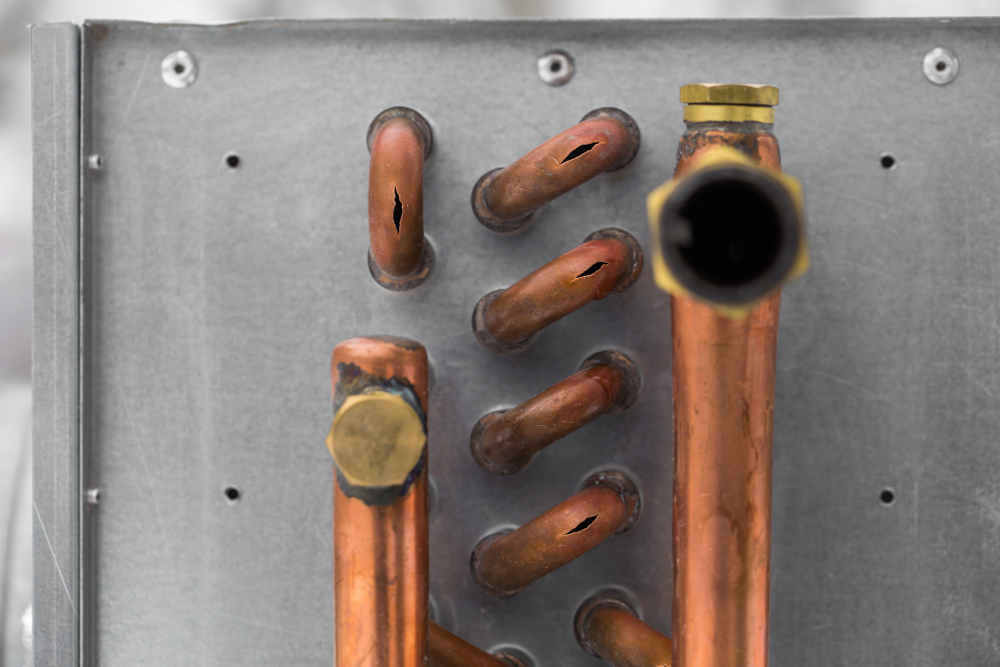
You may see copper pipework running to gas appliances around older and newer Melbourne homes. It is relatively lightweight and easy to work with and resistant to corrosion. So, it’s practical for many internal and external applications.
Its flexibility also makes it easier for a gasfitter to route around corners and existing structures.
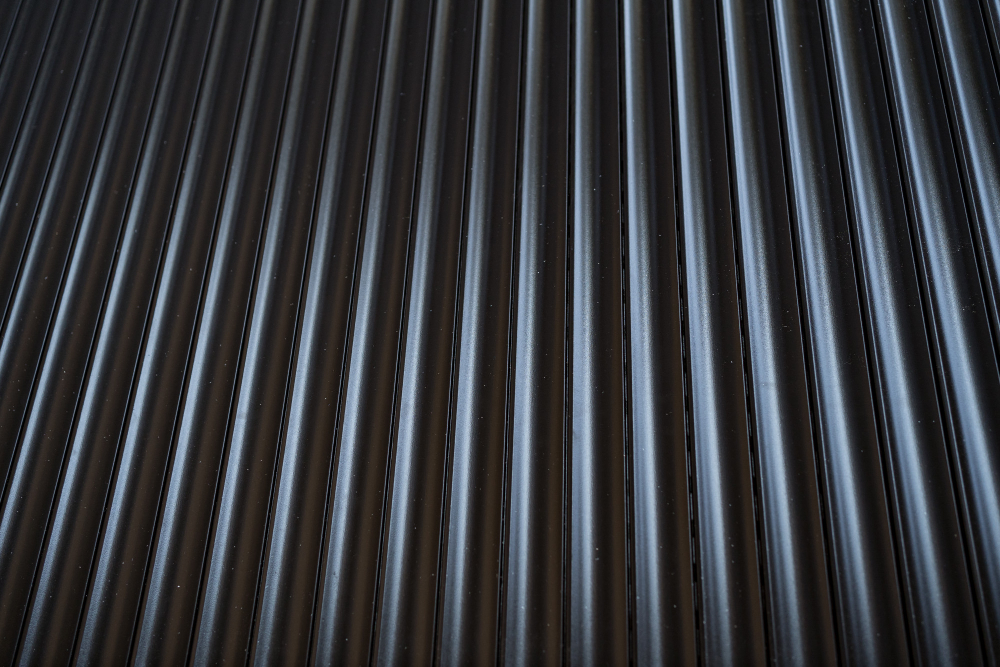
Black steel pipe is best for above-ground installations, commercial gas lines, and high-capacity residential mains. It’s known for being exceptionally durable, highly resistant to impact damage and handles high-pressure applications with ease.
However, Because it is susceptible to rust, any underground run must feature approved factory-applied protective coatings or wrappings to prevent corrosion. Moreover, they are heavy and labour-intensive to install (requires specialised threading equipment).
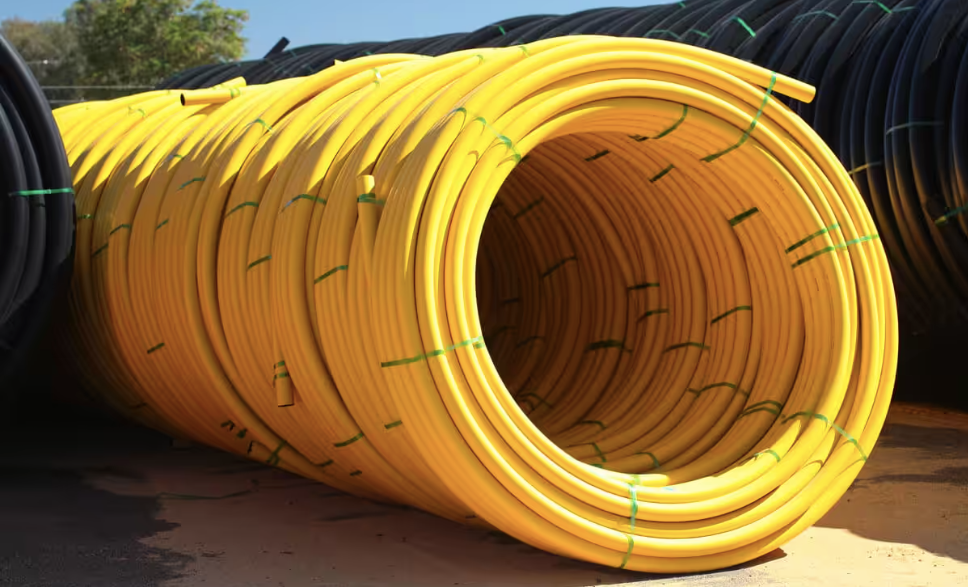
Polyethylene (PE) is commonly used for underground gas services. Its flexibility and resistance to corrosion make it well suited to being buried underground.
You generally won’t see a polyethylene gas service running openly around the inside of your home. Instead, it is typically used for underground sections before the gas supply transitions to pipework suitable for the building and appliances.
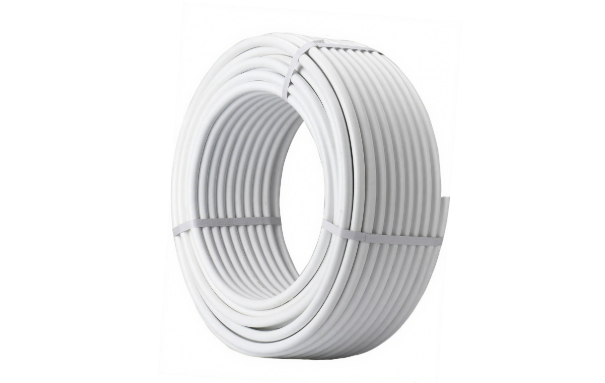
These pipes generally consist of layers that provide structural strength and protection, allowing the pipe to be routed more easily than some rigid alternatives.
They can be useful in certain residential installations, but the specific product must be approved for gas use and installed according to its manufacturer’s requirements and applicable Australian Standards.
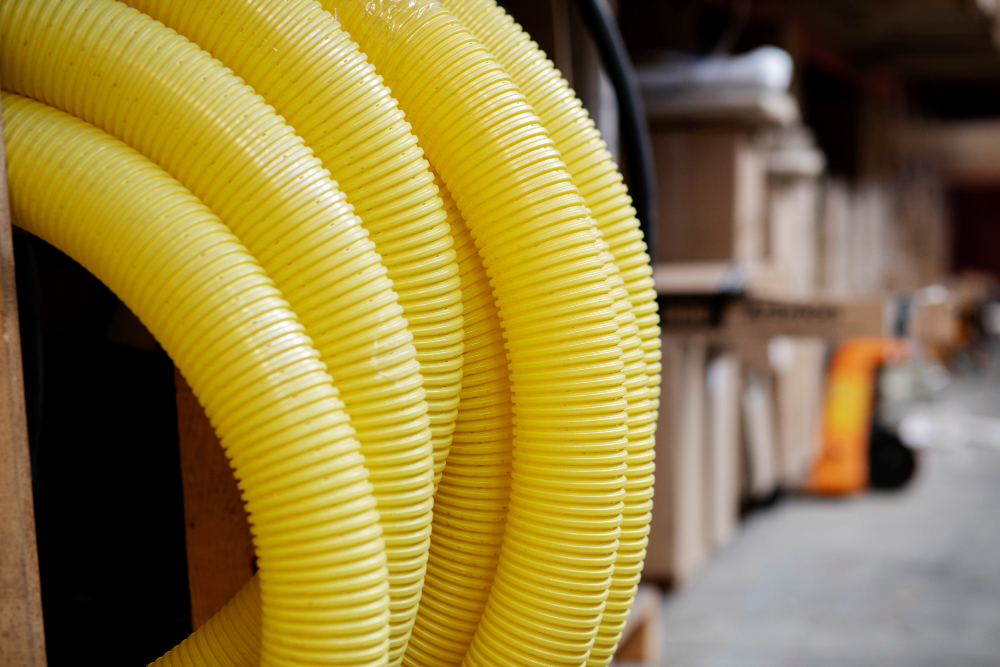
CSST is a flexible alternative to rigid piping that consists of a continuous corrugated stainless steel inner tube typically protected by a durable polymer jacket. It is lightweight and easy to manoeuvre around structural obstacles.
The flexibility drastically reduces the need for joints and elbows, which minimises potential leak points and significantly cuts down on installation time. It is best for complex residential layouts, renovations, and routing through tight wall cavities, subfloors, or roof spaces where rigid pipe is impractical.
A residential gas installation may use several different materials, depending on the age of the property and where each section of pipework is located.
For example, an underground gas service may use polyethylene before connecting to copper pipework inside the property, with an approved flexible connector used at the appliance.
The choice depends on factors such as:
Visible corrosion, damaged pipes, loose connections or signs of physical deterioration should be investigated. A gas smell is also a warning sign that requires immediate attention rather than a DIY repair.
Older homes can be particularly worth inspecting when you’re renovating or replacing several gas appliances. Changes to the gas system may require the existing pipework to be assessed to make sure it can safely supply the new appliances.
And remember you shouldn’t paint over, modify, disconnect or attempt to repair gas pipework yourself.
Copper has been widely used for residential gas installations in Australia, while polyethylene is commonly used for underground gas services. The appropriate material depends on the location and requirements of the installation.
Standard PVC plumbing pipe should not be used as a substitute for approved gas pipework. Gas installations require materials that are specifically suitable and approved for the application.
There isn’t one fixed lifespan for every gas pipe. Material, installation conditions, exposure, age and maintenance can all affect how long pipework remains suitable.
Gas pipe installation and modification should be performed by a licensed gasfitter. Working on gas pipework without the appropriate qualifications can create a serious safety risk and may also fail to meet Australian requirements.
Treat a suspected gas leak seriously. Avoid operating electrical switches or creating flames, move away from the suspected leak and arrange for qualified assistance. Don’t attempt to locate or repair the leak yourself.
Understanding the different types of gas pipes can help you make better decisions when maintaining or upgrading your home’s gas system. However, the correct gas pipe size, material and installation method depend on the specific property, pipe location and appliance requirements.
Should you need anything related to gas pipe work, Melbourne Gas Plumber can inspect your system and advise on the appropriate gas plumbing work.
Do not hesitate to contact us for a professional gas pipe inspection or installation.

Every week, we share practical insights based on the combined knowledge and real-world experience of our team. Our articles cover gas fitting, gas safety, appliance installation, hot water systems, maintenance and everyday plumbing issues, so you can make well-informed decisions about your gas plumbing needs.


Fill the form below and we’ll get back ASAP!

MGP! Thank you for help, honest pricing and high quality work. Thank you to Joe for pricing and the boys involved for replacing my hot water tank and fixing my gas leak for a reasonable price. 5 star response, 5 star service and 5 star price.
Joe was great. Very professional and quick. Gas hot water heater needed replacing, he was honest and upfront about what our options were. System was sourced and replaced within a couple of hours.
Fantastic service very responsive Joe is highly recommended and works very clean and neat..... good job well done....very happy... will use again and again

At Melbourne Gas Plumber, we're here to handle all your gas plumbing needs throughout Melbourne. With over 40 years of experience, we bring extensive local knowledge and expertise to every job.
QUICK LINKS
OPENING HOURS
Open 24/7