If you’re smelling sewer gas in the house, don’t treat it as just a bad odour. Your home could be leaking dangerous chemicals that hurt your air quality and could start a fire.
But don’t panic. If you know the common causes and what to do, you can minimize the risk. This guide helps you sense the danger and know exactly when to call a gas leak detection service. Read on!

8photo on Freepik
A sewer gas smell in a house is usually described as rotten eggs, sulphur, sewage, or stale waste. And it often comes across as foul, heavy, and organic rather than as a simple odour.
Why is that? It’s because sewer gas can contain hydrogen sulphide, notorious for its rotten-egg scent. That’s what makes sewer gas easy to confuse with natural gas or certain chemical odours.
But keep in mind that natural gas is odourless. Utility companies add mercaptan to give it a strong sulphur or rotten-egg scent for safety. So, when a gas leak occurs, it should be easier to detect with that smell.
Simply put, when people detect sewer gas in a home, they typically describe it in one of these ways:
The smell can be mild or overpowering, and it may come and go instead of staying constant. It’s different from the gasoline smell in your house.
In many homes, sewer odours get inside through a dry P-trap, a faulty seal, or a venting problem. That’s the reason why the smell may seem strongest near a sink, shower, floor drain, or toilet.
It’s easy to confuse these gases, but here is how to tell them apart:
If you’re smelling sewer gas in your house, the cause is usually one of these eight issues:
The P-trap is the curved pipe under your drain. It holds water to block sewer gases from coming up.
If a drain is not used for a while, this water can evaporate, which lets bad smells enter your home. This is a common cause of household odours and is usually the easiest to fix.
In many homes, the problem isn’t always under the sink. Sometimes it’s the floor waste in the bathroom, or the gully trap outside near an outdoor tap. These fittings are built to hold water and block sewer odours.
If this water dries up, which happens often in hot weather or in areas that aren’t used much, the smells can escape. This is common in newer homes or rooms that stay dry for a long time.
Plumbing vent pipes let air in and safely push sewer gases out. When they get blocked by trash or nests, the air pressure inside your pipes gets thrown off.
That can push bad smells up through your drains or pull the water out of your drain traps. Gurgling drains or bubbling toilets are major warning signs, especially if you still smell odors after refilling the traps with water.
Not every sewer smell comes from the main line. Often, it’s just rotting buildup inside the drain.
In bathrooms, this includes hair, soap scum, and biofilm, while kitchen pipes collect grease, food scraps, and sludge.
As this organic matter breaks down, it releases bad gases that smell like the rotten-egg odour of sewer gas. So, a slow, smelly drain is usually the first red flag..
That seal under your toilet keeps waste and sewer smells in. Over time it can wear out, loosen, or fail, especially if the toilet moves a bit or rocks on the floor.
When that happens, sewer gas can escape around the base. You might notice the smell strongest by the pan, or see slight movement, dampness, or water seeping around the base after you flush.
Age, corrosion, soil movement, poor installation, and wear can damage sewer pipes. Cracks or failed joints let sewer gases escape, which usually causes a constant bad smell.
In older homes, tree roots often grow into weakened pipes, making these problems worse.
When your main sewer line is blocked, waste and gas get stuck and build up pressure, which causes problems inside your home.
You might hear gurgling sounds in your drains, notice that water drains slowly in several sinks or tubs, have trouble flushing the toilet, or smell sewage.
In bad cases, sewage may overflow from the inspection shaft. Common causes include tree roots, wipes, fats, and grease.
A cleanout is a plumber’s access point for inspecting or clearing a drain. It should be capped or plugged. If the plug is loose, cracked, or missing, sewer gas can escape from the opening.
It’s easy to miss because the access point may sit outside, under a sink, or behind a panel, but it can produce a strong odour from a surprisingly simple cause.
Once you notice the smell, don’t just hope for the best. Here’s what to do, in order:
If you smell gas near appliances or pipes, assume there is a leak. You know how to detect a gas leak from your stove, right?
Leave the area right away, do not touch any flames or light switches, and call the gas emergency number from outside.
If the smell is coming from a drain or bathroom, not a gas appliance, open nearby windows and doors. Let fresh air move through the area. That helps clear the odour while you figure out where it’s coming from.
Walk slowly through the house to find where the smell is strongest. Check sinks, showers, floor drains, toilets, laundry drains, or the outdoor overflow relief gully.
If the odour is everywhere, the issue may be deeper inside the drainage system.
Dry traps are a main cause of indoor sewer smells. So, run water down drains you don’t use often to restore the water seal. Dry traps and floor waste odours are common causes for these smells.
If the smell is strongest near the toilet, check if the toilet is a bit loose or if there’s dampness at the base.
A faulty toilet pan seal can let sewer gas escape even when the toilet seems to work normally. Plus, official guidance specifically labels a faulty pan seal as a known source of odour.
Check under sinks and around exposed pipes for leaks, cracks, or a missing cleanout cap. Also, listen for gurgling sounds in your drains and watch for toilets or sinks that drain slowly.
These signs usually mean there is a blocked sewer or a venting problem, rather than just a smelly drain.
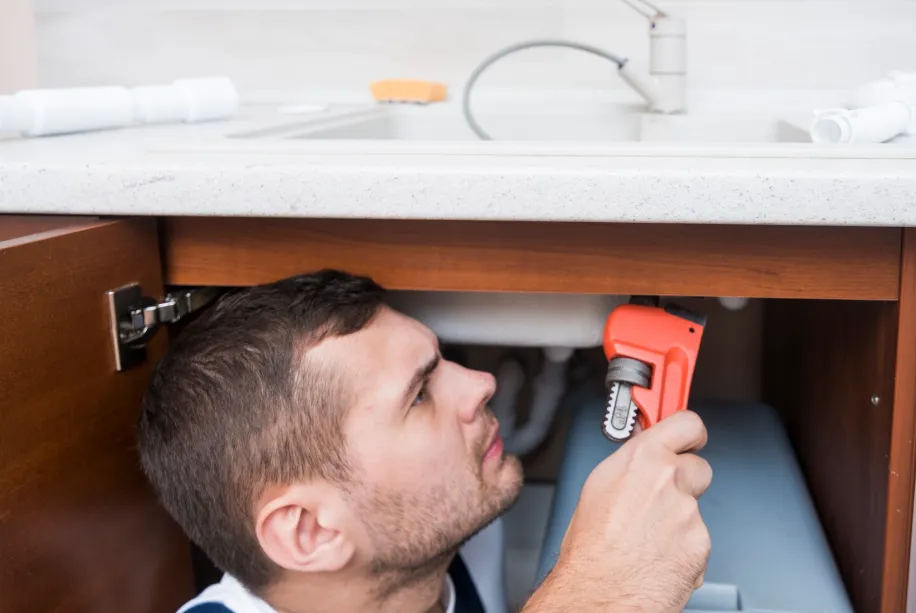
Image by Freepik
While you can ignore smells that go away quickly, get help if smells come from more than one drain.
Call a licensed plumber if you hear constant gurgling, have slow drains, or can’t find where the smell is coming from. You also need them for damaged vent stacks, cracked sewer lines, or broken toilet seals.
Most importantly, if you think there is a natural gas leak near your appliances or meters, contact a service like Melbourne Gas Plumber immediately.
The technician will help you determine if the smell is from a drain or a gas leak, including a possible gas meter leak. They will find the source using special equipment and make the area safe before starting repairs.
Remember, a natural gas leak is more than just a bad smell. It can cause fires or explosions.
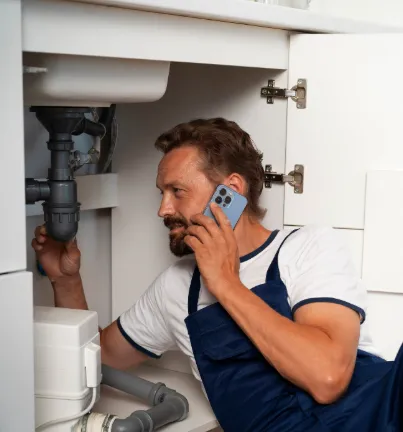
Image by Freepik
The good news is that most sewer gas problems are preventable with a bit of routine maintenance.
Here are the most common questions Melbourne homeowners ask about sewer gas smell:
Yes, it is dangerous. Small amounts cause eye and throat irritation, headaches, and nausea. High levels can dull your sense of smell, leading to unconsciousness. Also, methane poses an explosion risk in enclosed spaces.
Avoid staying home if you smell strong sewer gas or experience headaches or breathing trouble. Low-level exposure causes fatigue and irritation, and prolonged exposure increases health risks.
Yes. And this often happens because a P-trap dries out and then refills when you use the sink. Intermittent odours may also come from blocked vents, or partial clogs. But, even if the smell goes away, the underlying issue still needs to be repaired.
Bathroom odours often come from dried-out P-traps, clogged drains, or blocked vents. You can sty to check infrequently used drains, then look at your toilet for wobbling or base leaks.
Smelling sewer gas means there is a plumbing problem. And most fixes are simple, like clearing clogs.
But if the smell stays or you are near a gas appliance, contact a licensed professional immediately to make sure there isn’t a dangerous leak.
Melbourne Gas Plumber specialises in finding and fixing gas leaks to keep your home safe. Contact us today if you need help finding the source of constant smells.


Fill the form below and we’ll get back ASAP!

MGP! Thank you for help, honest pricing and high quality work. Thank you to Joe for pricing and the boys involved for replacing my hot water tank and fixing my gas leak for a reasonable price. 5 star response, 5 star service and 5 star price.
Joe was great. Very professional and quick. Gas hot water heater needed replacing, he was honest and upfront about what our options were. System was sourced and replaced within a couple of hours.
Fantastic service very responsive Joe is highly recommended and works very clean and neat..... good job well done....very happy... will use again and again

At Melbourne Gas Plumber, we're here to handle all your gas plumbing needs throughout Melbourne. With over 40 years of experience, we bring extensive local knowledge and expertise to every job.
QUICK LINKS
OPENING HOURS
Open 24/7