Dealing with an outdated heater during a renovation isn’t just about aesthetics. It becomes an urgent safety matter if the unit is failing. So, how do you remove a gas fireplace safely?
Start by knowing your limits. This guide answers the key question: can you do it yourself, or do you need a gas fitting service? And then move on with the steps to remove your unit. So, let’s dive in.
Technically, you can handle the cosmetic parts like the hearth and surround yourself. But, it’s a big job, so don’t try to remove the whole thing on your own.
And removing an insert is tricky due to the chimney and flue relationship. It’s even more riskier if you’re inexperienced.
If you make a mistake while capping off the gas supply, it can cause a leak. That puts your home at risk. Plus, fixing a DIY mistake usually costs more than just hiring a pro from the start.
And remember, Australian law is crystal clear on this. Only a licensed gasfitter can legally disconnect appliances and seal lines, even if you find the shutoff valve.
It’s not just about avoiding a fine. A professional can make sure the disconnection of the flue meets strict safety standards to protect your family.
Basically, you can:
But you can’t:

So, you’ve decided to hire a professional to do the job. Good idea. But there are a few things you can do first to help them:
Photo by Jimmy Liao on Pexels
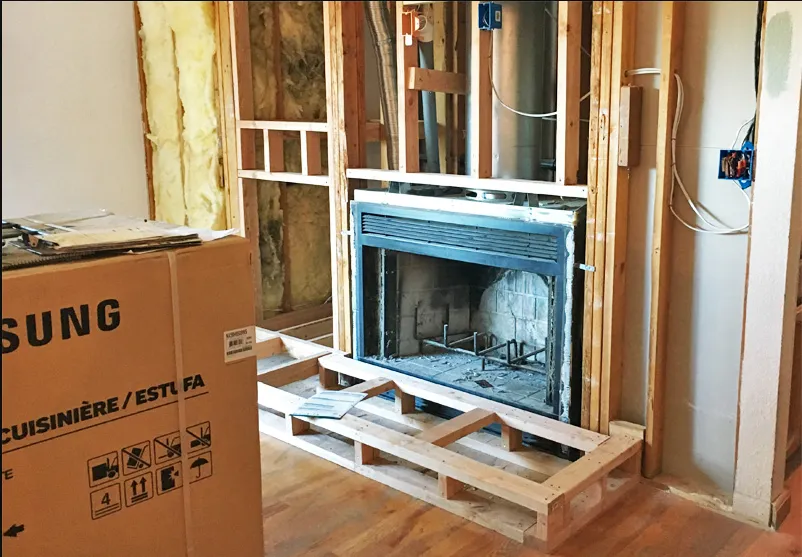
You’ve prepared everything before removing your gas fireplace. Now, here’s what you need to do:
Finding the right professional makes all the difference. So, start by checking their credentials. A certified gas fitter is trained to work on gas lines, appliances, and flues according to AS/NZS 5601 and state regulations.
Make sure they’re registered with your state’s plumbing and gas fitting board. Then, ask about their experience with removing gas fireplaces.
Get written quotes that break down labour, materials, and any extra costs. Compare three to five quotes before choosing. Also, ask if permits are included or if they’ll be extra.
Keep in mind that a good gas fitting service isn’t just about disconnecting the gas. It’s about knowing your home’s setup and making sure nothing gets missed. This is your starting point for everything that follows.
Safety starts before you touch a tool. Your engineer will find the main shut-off valve, usually near your gas meter.
They’ll turn it off completely, then use a detector to check there’s no gas left in the pipes. That way, they make sure it’s safe before bringing out any tools.
They record the valve’s condition so you have it for your records. It makes sure there are no sparks or risks during the next steps.
This step is where the professional vs DIY distinction matters most. Your contractor will disconnect the line from the appliance body.
They won’t just leave it open. They’ll do the capping off of the gas supply with the right brass fittings and sealants. This permanent seal is important for your home’s safety in the long run.
After capping, they run a pressure test. This makes sure the line is airtight and follows strict safety standards.
With the gas safe, the physical work begins. They’ll carefully pull out the insert, protecting your existing hearth and surround from accidental damage.
They always check support structures first, then lay protective coverings for your floors to keep the room clean and safe. If there’s a chance of asbestos, licensed experts handle that separately.
Usually, the whole removal takes about 2 to 4 hours, depending on how difficult it is.
Removing the fire changes how your house breathes. Your contractor needs to handle the chimney and flue so you don’t end up with drafts.
They’ll decide whether to cap the flue at the roof or seal it at the bottom. This helps stop moisture from damaging your walls later on.
If you’re planning to remove the whole chimney breast, a structural engineer will need to get involved. They make sure the wall stays stable once the support is gone.
Now you have a blank canvas. You need to fill the void left by the old unit. Your contractor will frame out the gap or repair the plasterboard.
They’ll match the texture to your existing wall. This prepares the space for painting or for replacement options like a new electric fire.
Finally, they’ll fix the floor where the hearth used to be. This finishing work typically takes a few days to dry and set properly.
Never skip the paperwork. The final inspection proves your removal process met all legal obligations. This protects you from liability, insurance problems, and issues when you sell.
Your contractor’s gas safety certificate proves the disconnection and capping meet safety standards. Certificates from your local council ensure everything follows building codes.
Insurance documentation helps protect you if anything comes up later. And, gas leak detection service confirms there are no leaks.
The contractor’s handover report sums up what was done, what materials were used, and gives you some tips for maintenance down the line.
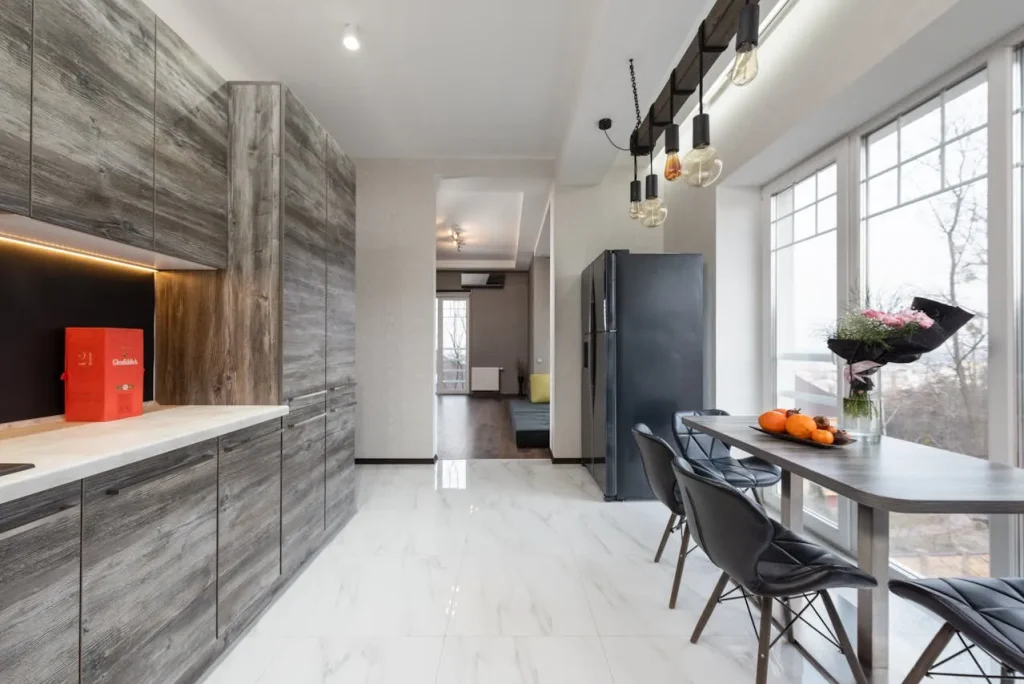
There are many good reasons to remove a gas fireplace. Knowing why you want to do it will help you plan it out:
No, this isn’t just about looks, it’s about safety. Old gas appliances are more likely to leak, which can cause fires, explosions, or carbon monoxide poisoning. A gas fireplace is no different.
Even small issues like weird flame patterns or the gas fireplace pilot light going out often can mean incomplete combustion.
Also, older units may lack modern safety features like oxygen depletion sensors and flame-failure devices. Newer appliances have these as standard to prevent poisoning and back-drafting.
Old gas fireplaces waste heat. But modern gas fireplaces, like direct-vent models or sealed inserts, are much more efficient, delivering 60–90% of their heat into the room.
Gas prices vary by region. Residential rates typically range from 1.50 to 4.00 per GJ. A family of four in Melbourne might pay more, depending on usage. For space heating alone, you’ll use about 20,000 MJ annually.
Removing an old unit stops it from wasting energy. You can then use electric heat pumps or solar systems that save 50–70% on bills. They also help you follow new state rules banning gas in new homes.
If your gas fireplace smells like gas, there might be a leak. It could be due to poor ventilation or worn-out seals. And if the gas meter needs adjusting, that’s also a safety concern.
Also, having kids or pets around unreliable gas appliances adds extra worry. Indoor air quality improves after removal. No risk of combustion byproducts entering living spaces.
Modern interior design favours open, flexible spaces. And to make an open-plan layout, you usually have to remove things like fireplaces.
These days, people prefer using wall space for entertainment systems or built-in storage instead of a fireplace.
In smaller homes, removing a fireplace makes sense to add more usable space. Plus, modern lifestyles mean many Australian homes no longer want traditional fireplaces.
Old fireplaces can make your place look outdated. These days, buyers prefer modern heating such as ducted air conditioning, heat pumps, and smart thermostats. You need to consider this if planning to sell your home.
Also, removing a gas fireplace frees up space for staging. Empty walls help buyers picture their own furniture. Getting it professionally removed can also boost your home’s appeal and value.
When you install a heat pump or ducted air conditioning, your fireplace might just sit unused. If electric heating is your main heat source, the fireplace doesn’t do anything anymore.
Removing a gas fireplace means less maintenance and safety checks. It also makes managing your gas account easier. Some providers let you downgrade or cancel once you no longer have gas appliances.
When a chimney inspection shows damage or wear, gas fireplace removal usually isn’t optional. Water getting into chimneys can cause wall damage that worsens quickly if you don’t fix it. Removing it is the permanent fix.
And if your old fireplace has asbestos, removal is necessary but also more complicated. So you need to check your situation with a professional and see if removal is needed or if there are other options.
Here are some common questions people ask about removing a gas fireplace:
Yes, removing a gas fireplace is a good idea if it’s old, not efficient, or you don’t use it. It frees up space, helps save energy by sealing drafts, and can give your home a fresh look.
Just make sure to weigh the removal costs against the potential loss of resale appeal before you do that.
It’s quite complex and costly. You can’t just switch fuels. You need a full inspection of structural components like the chimney to make sure it can handle wood smoke safely.
The firebox must be rated for solid fuel. Gas flues are often different from wood ones. You will likely need a Licensed Gasfitter to remove the insert and significant masonry work to meet compliance standards.
The main problem is often the pilot light going out, usually due to a dirty thermocouple or clogged igniter. And when it fails, the flame won’t stay lit, leaving you cold.
Soot buildup or strange smells are also warning signs of carbon monoxide risks. If cleaning the sensor doesn’t help, a licensed gasfitter should service the unit safely.
You’ve learned how to remove a gas fireplace, and you know it isn’t something you should tackle on your own.
Whether you’re renovating, fixing a broken unit, or freeing up space, removing your gas fireplace can be a worthwhile project. Just plan carefully, hire the right professionals, and prioritise safety.
Feel free to reach out to Melbourne Gas Plumber for expert help. Our team of licensed professionals will handle the entire gas fireplace removal safely for you.


Fill the form below and we’ll get back ASAP!

MGP! Thank you for help, honest pricing and high quality work. Thank you to Joe for pricing and the boys involved for replacing my hot water tank and fixing my gas leak for a reasonable price. 5 star response, 5 star service and 5 star price.
Joe was great. Very professional and quick. Gas hot water heater needed replacing, he was honest and upfront about what our options were. System was sourced and replaced within a couple of hours.
Fantastic service very responsive Joe is highly recommended and works very clean and neat..... good job well done....very happy... will use again and again

At Melbourne Gas Plumber, we're here to handle all your gas plumbing needs throughout Melbourne. With over 40 years of experience, we bring extensive local knowledge and expertise to every job.
QUICK LINKS
OPENING HOURS
Open 24/7