If you want to disconnect a gas stove, then you might want to know: what can you do by yourself (safely), and which parts of the job need a licensed gasfitter?
That gap creates real risk. Touch the wrong fitting and you’re looking at a gas leak, a fine, or a void insurance claim.
But don’t worry, this guide will clear things up, as it’ll show what you can prepare before help arrives and when to call a gas leak detection service. Read on!
No, you can’t disconnect a gas stove yourself. Under the Gas Safety (Gas Installation) Regulations 2018, this is restricted work requiring a licensed gasfitter, even if you’re just renovating or switching to induction.
While some bayonet fittings allow for temporary movement, a professional must manage full disconnection, line capping, leak testing, and certification.
And if your stove uses a nut, flare fitting, or copper pipe, don’t touch it. No matter how handy you are, disconnecting gas yourself is dangerous and illegal.
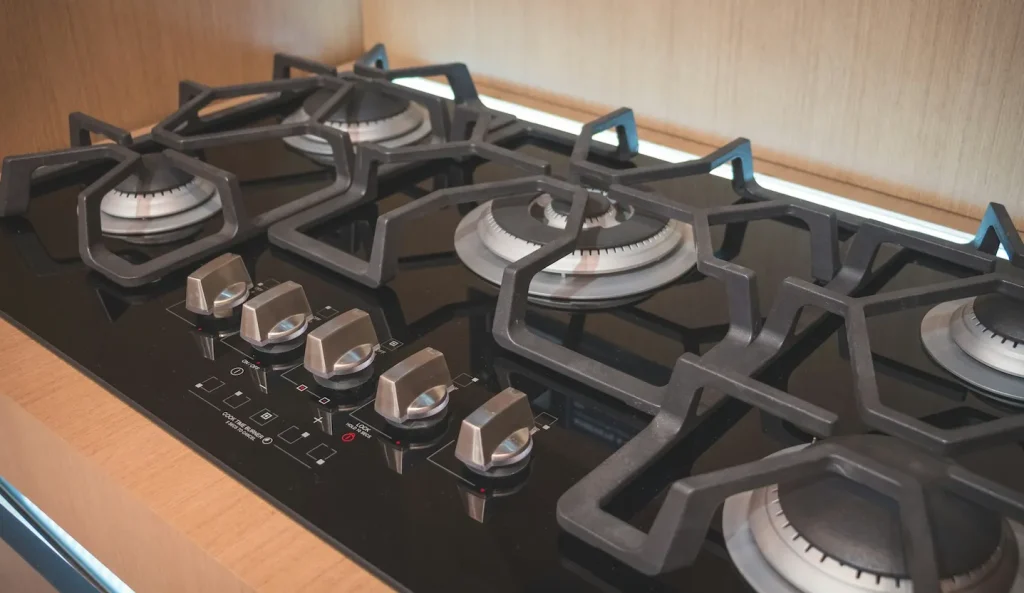
Image: Eduardo Pastor on Unsplash
Remember, turning off burner knobs doesn’t disconnect the gas. Homeowners often confuse “off” with “disconnected.” Residual gas often remains in the hose.
And here’s why the job is more dangerous than it appears:
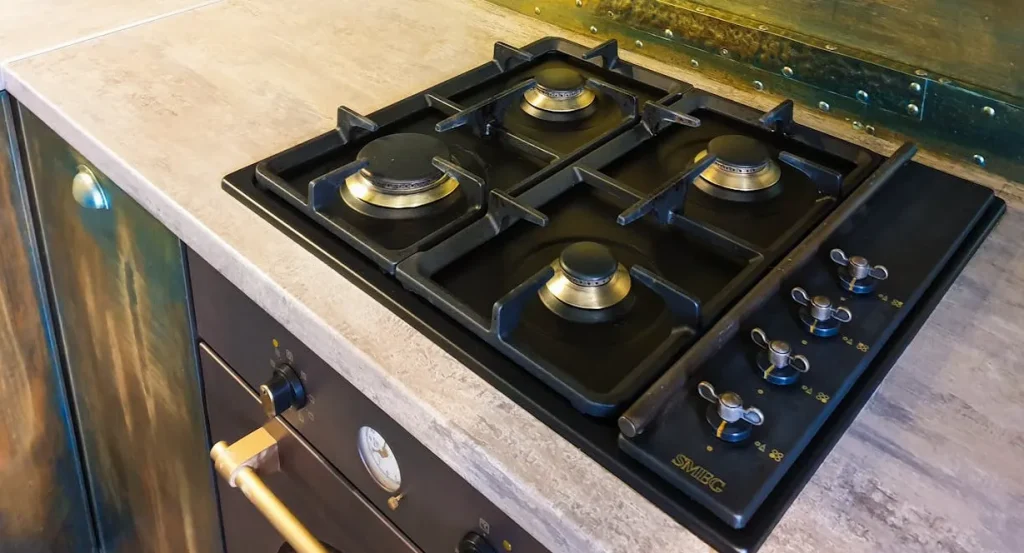
Image: Алексей Вечерин from Pexels
While you shouldn’t touch any valves, hoses, or fittings, here is what you can safely do while you wait for a licensed professional.
Turn all your knobs to the off position, including the oven, grill, and burners. This doesn’t shut off the gas supply, but it stops gas from reaching the burners.
The pipes behind your cooker will stay pressurised, but you’re closing the exit points. This keeps gas from leaking into the room if a dial gets bumped while you wait for help.
After you turn off the burner, open your windows and doors for at least an hour to air out the house.
Good airflow clears out gas leaks. If you don’t, the gas can reach its Lower Explosive Limit, where a tiny spark from a light switch or appliance could cause an explosion.
Clear everything off your stove, including the bottom drawer. Move your tea towels, wooden boards, and cooking oils at least one metre away.
Removing these items keeps them safe from sparks and gives the technician easy access to your gas connections, so they can finish the job faster.
Your gasfitter needs clear access to your meter box to run mandatory manometer and negative pressure tests.
Please find your meter at the front or side of your home and move any bushes or objects blocking the cabinet. If it’s behind a locked gate, make sure you’re home to let them in or leave a key out.
How to disconnect a gas stove safely? Stay near your cooker while you wait for your gasfitter. Use your senses to spot any issues.
If you smell “rotten eggs,” hear hissing behind the appliance, or see soot and yellow, lazy flames, tell your gasfitter right away so they can run the right tests.
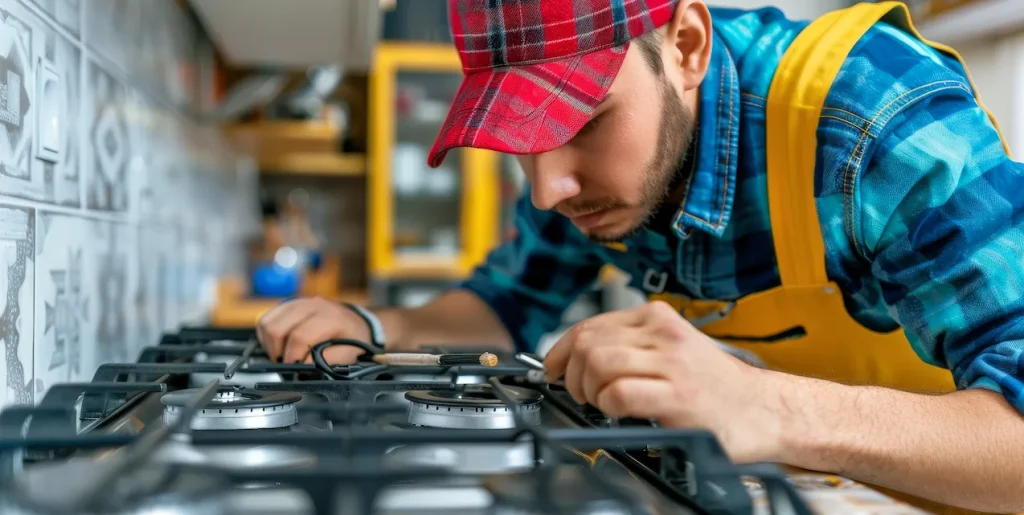
Image: sorindarii on Freepik
Here’s what actually happens when a licensed gasfitter arrives to disconnect your gas stove:
You’ve already cleared your counters, which is great. But when your gasfitter arrives, they’ll do a thorough safety check that goes beyond just having a tidy kitchen.
Even if everything looks clean, a professional will spot hidden risks to make sure your home stays safe while they work on the gas lines.
Here is what they’ll check:
After the safety sweep, your gasfitter will turn off the gas at the meter before moving your stove. They avoid using the small valve behind the appliance because older ones often leak or break.
Shutting off the main supply keeps you safe if a hose snaps while they’re moving it. And the process includes:
It’s important to do this right. Don’t try to disconnect your gas stove yourself, especially if you don’t know what a gas line is or gas shut-off valve.
Your licensed gasfitter will turn on a burner on your stove to bleed and purge any gas still trapped in the pipes and flexible hose.
Even with the gas turned off, some remains in the line. Burning it off prevents it from leaking into your kitchen when they disconnect the hose.
To safely drain the system, they will:
Once the lines are drained, the gasfitter disconnects your stove. This is the trickiest part of the job. If they use too much force, they could snap the copper pipes in your wall or ruin the gas point threads.
Whether your stove is on a flexible hose or hard-piped, a professional uses the right techniques to make sure your kitchen plumbing stays in good shape.
Here is how a licensed gasfitter uncouples the unit:
After disconnecting the stove, your licensed gasfitter must immediately seal the open line with a permanent metal cap.
Leaving a line open or using plastic plugs is a major safety violation that voids home insurance and risks flooding your kitchen with gas. You need to cap the gas line right.
How a licensed gas fitter would seal the line?
The gasfitter will slowly turn your gas back on to prevent pressure damage. They must test the new cap under pressure to make sure it is airtight and leak-free before they leave.
How a pro restores flow:
Your licensed gasfitter will conduct a manometer pressure test to confirm your home is gas-tight.
This test finds even tiny leaks and is a legal requirement under 2026 Energy Safe Victoria and AS/NZS 5601.1 standards. Without this test, you can’t get a Victorian Certificate of Compliance.
Here’s exactly what they do:
The bubble test is a foolproof way to confirm the new cap is airtight. It confirms your gasfitter’s work is safe and has no micro-leaks.
When disconnecting a gas stove, the process for spray test involves:
Sometimes, you need more than a standard disconnection:
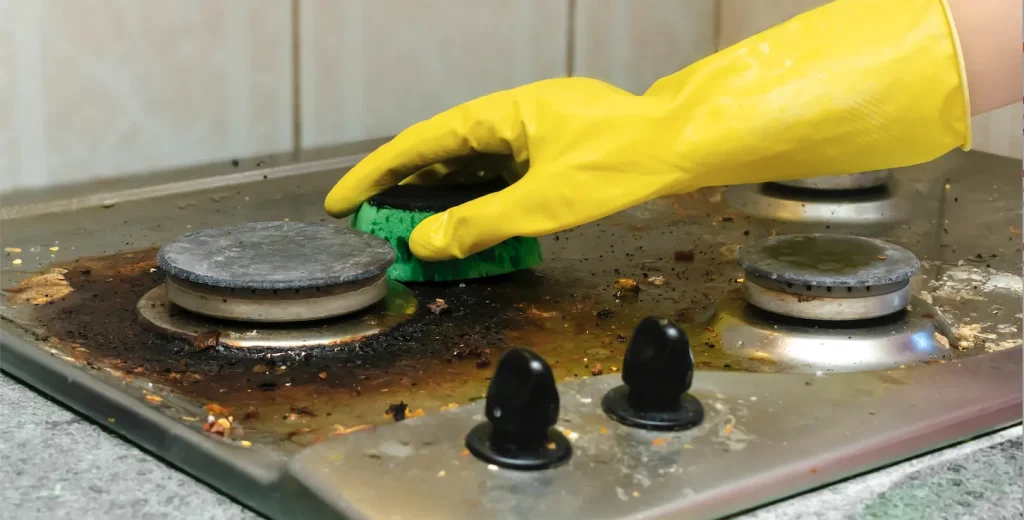
Image: photodaria on Freepik
Not every gas stove disconnection is routine. Watch for these warning signs that need immediate action:
Companies add mercaptan to create a “rotten egg” scent. If you smell it, treat it as a leak. Remember, gas is highly flammable and explosive.
You shouldn’t touch any switches or appliances. Just evacuate, and then call your gas distributor’s emergency line and a gasfitter.
A hissing sound signals a leak from a crack, loose fitting, or damaged hose. It can happen even for new gas installation.
Also, gas accumulates fast in enclosed kitchens. And this creates an explosion risk.
That said, if you hear hissing, don’t try to tighten any nuts or valves. Leave your home at once with the front door open to ventilate the space.
Sooty or scorched marks on your cooker suggest blocked burners. Your stove may be burning fuel improperly and leaking carbon monoxide (CO).
When you see this sign, don’t try to clean the marks. Turn off the gas, open your windows, and call a licensed gasfitter.
If you find a flexible hose disconnected but the gas line left open, don’t try to fix it yourself. And never assume the rest of the setup is safe. Call a licensed gasfitter immediately to check the entire system before you use it.
Here are some of the common questions about disconnecting a gas stove:
No. Closing the valve stops gas flow but doesn’t disconnect the appliance. Victorian law requires a licensed gasfitter to disconnect the hose, cap the line, and issue a Compliance Certificate.
Yes. AS/NZS 5601.1:2022 requires all open gas lines be capped with an approved fitting. Leaving a line open, even with the valve closed, is illegal and creates a fire risk.
Only a licensed gasfitter with a Type A Appliance Servicing endorsement may legally disconnect a stove. You can verify a technician’s credentials via the Building and Plumbing Commission (BPC) licence search tool.
When it comes to disconnecting a gas stove, your job is to prepare the space. The gasfitting work belongs to a licensed professional.
Contact Melbourne Gas Plumber for planned disconnections, kitchen renovations, induction conversions, and emergency gas issues across Melbourne. No worries, every job includes a Gas Compliance Certificate.

Every week, we share practical insights based on the combined knowledge and real-world experience of our team. Our articles cover gas fitting, gas safety, appliance installation, hot water systems, maintenance and everyday plumbing issues, so you can make well-informed decisions about your gas plumbing needs.


Fill the form below and we’ll get back ASAP!

MGP! Thank you for help, honest pricing and high quality work. Thank you to Joe for pricing and the boys involved for replacing my hot water tank and fixing my gas leak for a reasonable price. 5 star response, 5 star service and 5 star price.
Joe was great. Very professional and quick. Gas hot water heater needed replacing, he was honest and upfront about what our options were. System was sourced and replaced within a couple of hours.
Fantastic service very responsive Joe is highly recommended and works very clean and neat..... good job well done....very happy... will use again and again

At Melbourne Gas Plumber, we're here to handle all your gas plumbing needs throughout Melbourne. With over 40 years of experience, we bring extensive local knowledge and expertise to every job.
QUICK LINKS
OPENING HOURS
Open 24/7