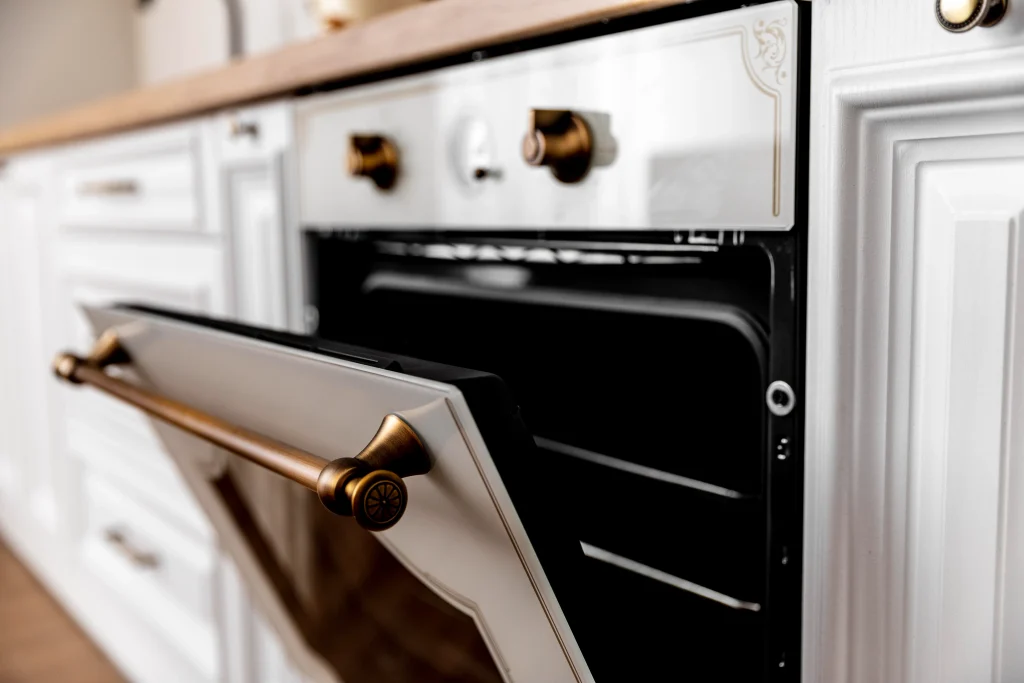
Your gas oven is not heating up? The cause could be something as simple as a disrupted gas supply or an incorrect oven setting. In other cases, it may be a faulty igniter, blocked burner, damaged thermostat, or another gas-related component that requires professional repairs.
While there are a few basic checks you can safely carry out at home, gas appliances should never be dismantled or repaired yourself. Knowing what to look for can help you identify the problem and determine when it’s time to call a licensed gas fitter.
The igniter is one of the most common reasons a gas oven won’t heat. Its job is to ignite the gas flowing to the burner so the oven can reach the selected temperature.
If the igniter is faulty, you may notice:
Because the igniter is connected to both electrical and gas components, replacement should always be carried out by a licensed professional.
Without a steady gas supply, your oven simply can’t produce heat.
Check whether:
If your cooktop, hot water system, or gas heater has also stopped working, the issue may be with your home’s gas supply rather than the oven itself.
If you smell gas, stop using the appliance immediately and contact a licensed gas fitter.
Over time, grease, food spills, and debris can build up around the oven burner.
This may cause:
Although keeping the oven clean helps reduce build-up, internal burner cleaning should be left to a qualified technician to avoid damaging gas components.
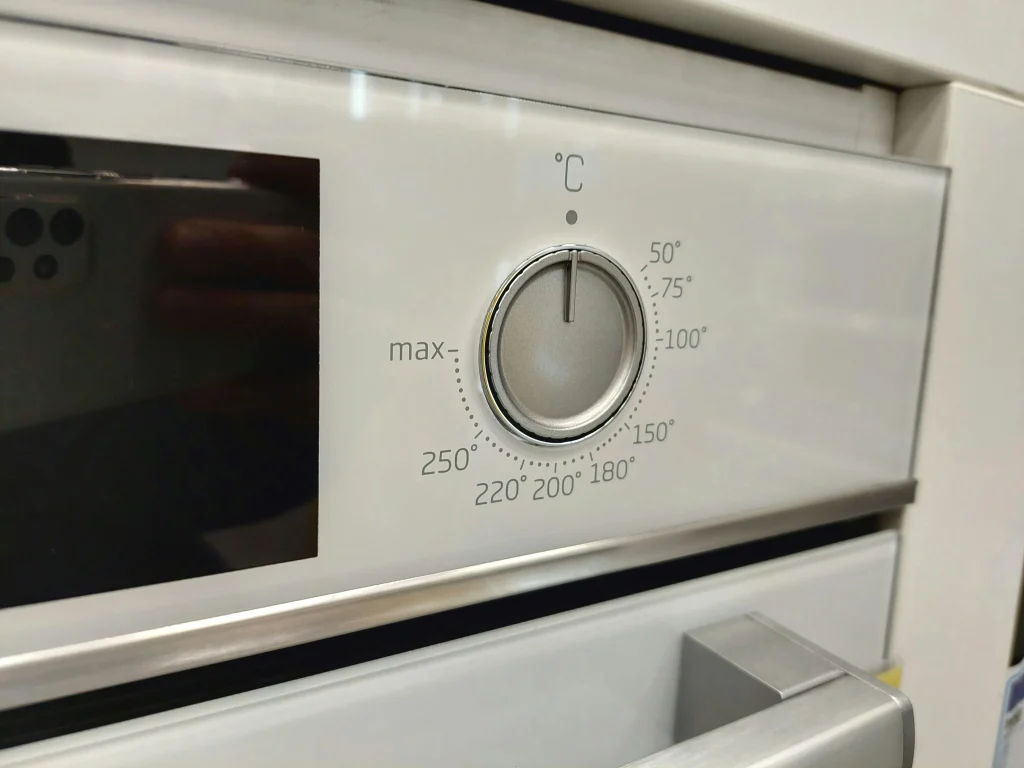
Your oven relies on a thermostat or temperature sensor to regulate heat.
If this component isn’t working correctly, the oven may:
A faulty thermostat usually requires professional testing and replacement.
Sometimes the problem isn’t the heating system at all.
If the oven door seal has become worn, torn, or damaged, heat can escape while cooking. This makes the oven work harder and may prevent it from reaching the correct temperature.
Signs of a faulty door seal include:
Replacing a damaged seal can often restore normal heating performance.
Modern gas ovens use electronic controls to regulate ignition, temperature, and cooking functions.
If the control board or oven controls develop a fault, you may notice:
Electrical faults within the appliance should always be diagnosed by a qualified technician.
Less commonly, the issue may lie with the gas supply itself rather than the oven. Problems with the regulator, gas valve, or pipework can reduce gas flow and prevent the burner from operating correctly.
Possible signs include:
Gas supply issues should never be investigated or repaired yourself. If you suspect a gas leak or pipework problem, arrange professional assistance immediately.
Before calling a gas fitter, there are a few simple things you can safely check:
Avoid removing panels or attempting repairs involving gas or electrical components.

Turn your oven off immediately and contact a licensed gas fitter if you notice:
These symptoms may indicate a potentially dangerous fault that requires professional attention.
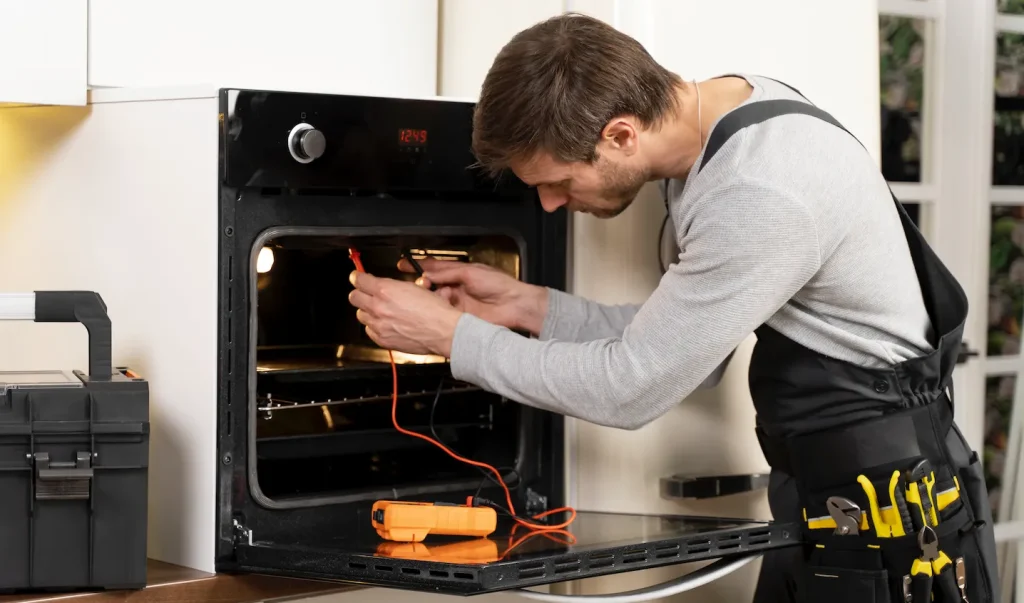
Some basic maintenance, such as cleaning the oven interior or checking the gas supply, can be done safely at home.
However, repairs involving:
should always be carried out by a licensed gas fitter.
Gas appliances contain important safety systems, and incorrect repairs can create serious safety risks.
This often points to a problem within the oven itself, such as a faulty igniter, burner, thermostat, or temperature sensor. Since the cooktop and oven operate independently, one can fail while the other continues working normally.
Slow heating can be caused by a weak igniter, a partially blocked burner, a faulty thermostat, or a worn door seal allowing heat to escape.
In most cases, faulty igniters are replaced rather than repaired. A licensed technician can test the component and recommend the appropriate solution.
No. If you smell gas, stop using the appliance immediately, turn it off if it’s safe to do so, and contact a licensed gas fitter. Never ignore the smell of gas.
Most manufacturers recommend servicing gas appliances every two to three years, or sooner if you notice performance issues. Regular servicing helps maintain efficiency and identify potential safety concerns before they become major problems.
If your gas oven is not heating up, start by checking simple issues like the gas supply, oven settings, and door seal. However, faults involving the igniter, burner, thermostat, or gas supply should always be inspected by a licensed gas fitter to ensure the appliance remains safe to use.
At Melbourne Gas Plumbing, we provide professional gas appliance repairs, servicing, and gas fitting solutions across Melbourne. Whether your gas oven won’t heat, you suspect a gas supply issue, or your appliance needs servicing, our experienced team can diagnose the problem and get your kitchen back up and running safely.
Speak with our team today to book a professional gas oven inspection or repair.

Every week, we share practical insights based on the combined knowledge and real-world experience of our team. Our articles cover gas fitting, gas safety, appliance installation, hot water systems, maintenance and everyday plumbing issues, so you can make well-informed decisions about your gas plumbing needs.


Fill the form below and we’ll get back ASAP!

MGP! Thank you for help, honest pricing and high quality work. Thank you to Joe for pricing and the boys involved for replacing my hot water tank and fixing my gas leak for a reasonable price. 5 star response, 5 star service and 5 star price.
Joe was great. Very professional and quick. Gas hot water heater needed replacing, he was honest and upfront about what our options were. System was sourced and replaced within a couple of hours.
Fantastic service very responsive Joe is highly recommended and works very clean and neat..... good job well done....very happy... will use again and again

At Melbourne Gas Plumber, we're here to handle all your gas plumbing needs throughout Melbourne. With over 40 years of experience, we bring extensive local knowledge and expertise to every job.
QUICK LINKS
OPENING HOURS
Open 24/7