Smelling something odd in the kitchen? Odours like this aren’t imaginary; they are one of gas leak symptoms and most people can’t tell if it’s a tiny leak or a pipe about to burst.
The problem is slow fixes turn quick repairs into an explosion risk. And you wish you had called a gas leak detection service sooner.
So let’s break down the common signs, causes, and what to do if you think you smell gas at home!
Yes, a gas leak isn’t one clear signal. It’s typically two or three small hints that add up. And here’s what to watch for:
What does gas smell like? That rotten-egg odour in your gas isn’t there by accident. Natural gas and LPG are odourless, so a leak would go undetected until a fire or explosion.
That’s why gas companies add ethyl mercaptan, a sulfur compound. If you smell it near your hot water, stove, or gas heater, you know there is gas escaping from a pipe or connection.
Gas under pressure has a unique hiss or whistle. It might be near your gas meter, behind your stove, where your water heater connects, or along visible pipes.
Sometimes it sounds like air leaking from a tire, or a high-pitched whistle you can’t miss. So, you can detect a gas leak from your stove by noticing these sounds.
Natural gas and LPG burn clean with oxygen. They glow a blue flame at about 1,960°C. They make carbon dioxide, water vapor, and heat with no soot or bad byproducts.
But if your cooktop, heater, or hot water flame turns yellow or orange, gas isn’t burning safely. Blocked burner ports or incorrect gas pressure may be the cause, and it can indicate a gas leak to watch for.
If your pilot light goes out repeatedly, especially on several gas appliances, it could indicate a gas leak, too.
Gas appliances need steady pressure to keep the pilot flame alive. And a leak can cause pressure to drop, making the flame flicker, weaken, and die. If you’re constantly relighting the pilot, don’t assume it’s a draft.
If you see a white cloud or mist near a gas connection or metre, that means gas is leaking under high pressure. It’s one of the most serious gas-leak signs and you need to act fast.
Unlike morning fog, this mist acts differently depending on the type of gas. LPG will gather in low areas, while natural gas will rise up.
Is your yard patchy with brown spots among the green? It could mean there’s an underground gas leak.
Your plants need soil oxygen for their roots. When natural gas fills the soil, it chokes the roots, making leaves droop, brown, and die.
These dead areas are often near your gas meter, the underground pipe to the street, or where outdoor gas grills or lights connect. And this often becomes leaking gas meter warning signs as well.
Gas pipes sit 300–600 mm underground, buried under gardens, driveways, and lawns. You’d never know they’re corroding or cracking until something goes wrong.
When rain soaks soil and a buried pipe leaks, escaping gas must push through water to the surface. And this creates bubbles.
If you spot bubbles in the same puddle near your metre, pipe runs, or where gas enters your home, that’s a gas leak symptom.
If your gas use hasn’t changed but the bill did, you might have a 24/7 “slow leak.”
Remember, your gas metre counts every cubic metre that goes through, even if you’re not burning it. And a tiny pinhole leak can waste a lot of gas in a billing quarter.

Image by ivankyryk on Freepik
Gas leaks can also attack your health. And the thing is the gas leak symptoms can be deceptively subtle:
Headaches are the first warning sign of a gas leak at home. You might blame stress, dehydration, screen fatigue, or lack of sleep. You’re not realising the air in your living room could be harming you.
The clearest sign is a pattern of relief. If your headache goes away when you go to work, the cause is likely environmental, not a medical problem.
Dizziness can mean your brain isn’t getting enough oxygen. So, your brain has a hard time processing space when oxygen is low. The room may spin or you may feel off balance.
Most people blame low blood pressure or an ear infection for this. But, you can see the pattern. If the spinning gets better outside and comes back indoors, these could be signs of a gas leak.
No, it isn’t an upset stomach. Your body is reacting to harmful exposure. You might feel queasy, lose your appetite, or vomit when toxic gases like carbon monoxide or methane replace oxygen.
This symptom can look like food poisoning. So a gas leak might be overlooked. But if everyone in the house gets sick at the same time without sharing a meal, you know your gas system is the issue.
Your eyes water, sting, burn, or redden when natural gas and odorants irritate mucous membranes on contact. It’s not systemic like a headache, it’s localized to the eyes.
People blame allergies, dust, or dry air, but gas-related irritation indoors correlates with how long you stay in that area.
Do you feel short of breath, chest tightness, or a cough? These are respiratory symptoms of asphyxiation.
People with asthma notice this faster. Their airways are more sensitive to irritants and lower oxygen. But it can affect anyone.
Confusion can happen because these symptoms look like a cold or allergies. But if you feel better outside where oxygen is normal, it indicates there’s a gas leak at home.
Extreme tiredness that won’t go away with sleep is a sign of low-level gas exposure. The body has to work harder to function with less oxygen, and you feel exhausted.
It’s easy to blame a busy life. But if it keeps happening and others in your home notice the same thing, it deserves attention.
Direct contact with high-concentration escaping gas can cause skin blistering or cryogenic burns. This is typically seen near a major leak point or when handling frozen LPG fittings.
Unlike internal symptoms, these skin issues are externally visible. If your skin irritation or unusual coloring clears based on your location, the air quality is likely the cause.
Chest pain is pressure, tightness, or aching in the chest cavity. Gas exposure lowers blood oxygen, so your heart and chest muscles struggle. The pain sits in the chest wall, behind the ribs.
Unlike shortness of breath, where the problem is getting air in, chest pain is about the heart and the nearby tissue. And people panic, thinking it’s a heart attack, which is really a gas issue.
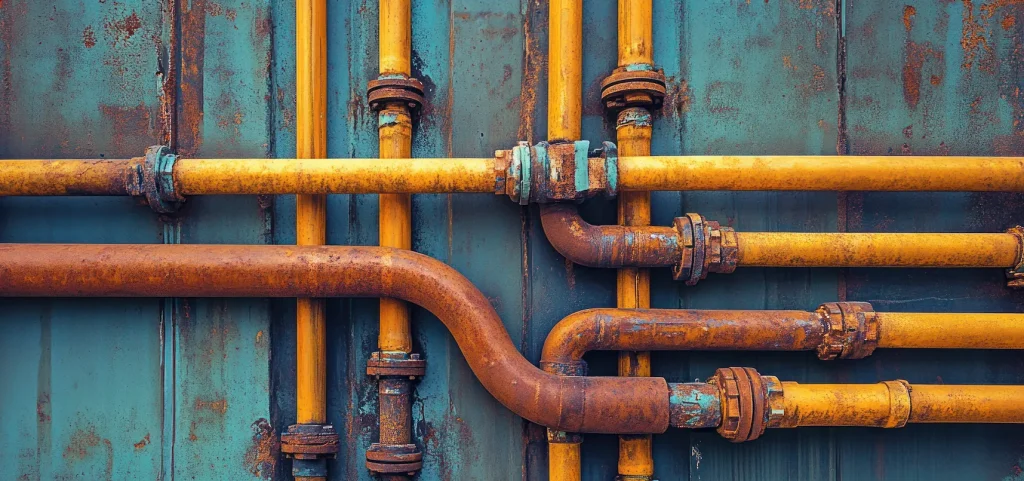
Image by vart_dant on Freepik
Understanding these six causes can help you prevent gas leaks before they threaten safety.
The main reason you get a gas leak is the connection point between your gas appliance and the gas supply pipe. That seal has to stay airtight even with constant gas pressure.
But, over time, materials wear down. Rubber hoses dry out, become brittle, and crack, while metal fittings can corrode or warp from heat cycles.
When these parts fail, the seal breaks and gas leaks from the source. Vibration drives this failure, and moving the appliance can also break the seal.
Old homes used galvanised steel gas pipes. They usually last 40 to 50 years. So many are well past their designed life. Inside, rust builds up and can punch through the pipe walls.
Underground pipes are especially vulnerable. Moist soil and acids around buried lines aggressively attack the metal.
Without protective wrapping or cathodic protection, the pipe corrodes quickly as a sacrificial anode, especially compared to indoor pipes.
Gas systems need regular checks to catch leaks before they become dangerous. But most people don’t realise that planning maintenance matters.
You might think if your heater turns on and your stove lights, the whole gas setup is safe.
There’s no clear warning that a leak has started. The pipes behind walls and parts under appliances are hidden, so you don’t see early signs of failure.
Without a technician testing the system with pressure tools and leak detectors, small gas leaks go unnoticed.
Sometimes, moving appliances can cause a gas leak. For example, if you shift a stove or dryer, the flexible gas hose can get pulled, which stretches the fitting or loosens the connection.
Also, drilling into a wall to hang shelves or run electrical conduit can poke a hidden gas pipe. You might not know the pipe is there, but it can create an instant gas leak in your system.
Underground gas infrastructure is a major leak risk in Australia. Landscaping, fence installs, driveway work, and vehicle hits to a meter box all pose dangers.
In certain situations, you might want to fix a gas problem fast. So you end up doing DIY or hiring an unlicensed hand to fix it.
First, it’s dangerous and illegal. Second, it can hurt you more than it helps. And third, a licensed gas fitter is the only one who can do the job to standard.
A gas leak repair in Melbourne knows thread pitch, torque specs, and the right sealant for each fitting. They also pressure-test every connection to ensure zero leaks before they leave.
Melbourne’s clay soil swells when wet and shrinks in drought, stressing rigid gas pipe connections with seasonal movement. Older suburbs, homes on slopes, and properties with large trees are most affected.
The soil doesn’t move uniformly. One section of your yard might rise while another subsides, creating shear forces along the length of buried pipes.
These forces bend the pipe or pull at the joints where sections connect, cracking welds or loosening threaded fittings that were previously secure.
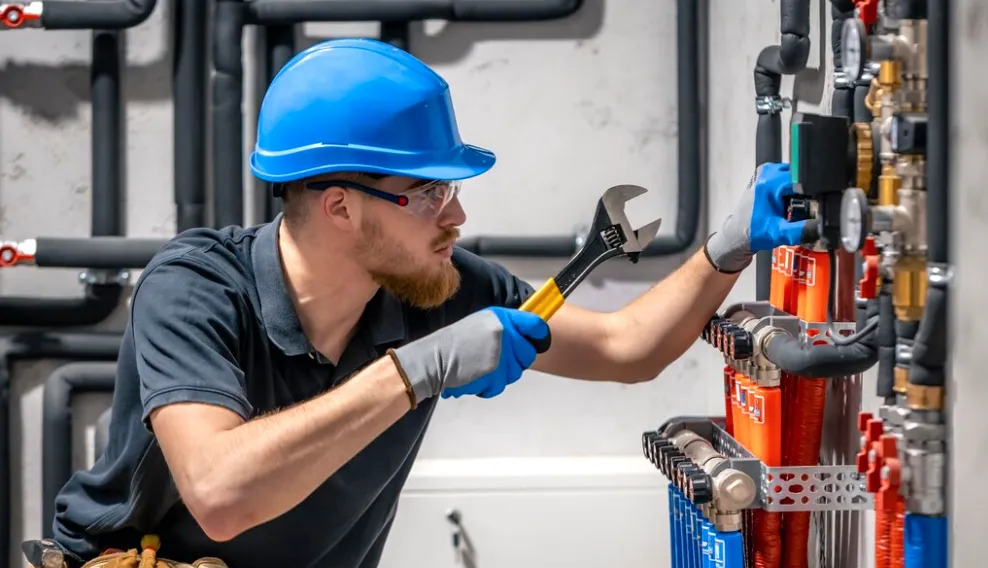
Image by pvproductions on Freepik
If you detect gas leak symptoms, your priority is life safety. Do these steps in this exact order.
Homeowners often ask about gas leak symptoms as follows:
Can a small gas leak make you sick?
Yes. While natural gas itself isn’t toxic, the added mercaptan odourant can give you a headache or nausea. And if gas builds up in a room, it pushes out the oxygen, so you might feel dizzy.
Do carbon monoxide detectors detect natural gas?
No. A CO detector only detects carbon monoxide. So, homes with gas appliances need separate combustible gas detectors for methane/LPG. CO units are reliable, but they target combustion byproducts only.
What if I smell gas but it comes and goes?
Treat it as a dangerous gas leak. Gas can hide in walls or ceilings and drift into living spaces. A smell that comes and goes points to a leak from a specific appliance. Even a faint odour can signal explosive pockets.
Gas leaks aren’t always dramatic. Sometimes you smell it once and brush it off. Other times you get headaches that won’t quit, or a gas bill that spikes for no reason.
That’s why recognising gas leak symptoms matters. Quick action can stop small problems from turning into pricey explosions you’ll regret.
And if you suspect a leak, don’t touch the pipes or fittings yourself. Contact our licensed gas plumbers to diagnose, repair, and ensure your home meets AS/NZS 5601 safety standards.


Fill the form below and we’ll get back ASAP!

MGP! Thank you for help, honest pricing and high quality work. Thank you to Joe for pricing and the boys involved for replacing my hot water tank and fixing my gas leak for a reasonable price. 5 star response, 5 star service and 5 star price.
Joe was great. Very professional and quick. Gas hot water heater needed replacing, he was honest and upfront about what our options were. System was sourced and replaced within a couple of hours.
Fantastic service very responsive Joe is highly recommended and works very clean and neat..... good job well done....very happy... will use again and again

At Melbourne Gas Plumber, we're here to handle all your gas plumbing needs throughout Melbourne. With over 40 years of experience, we bring extensive local knowledge and expertise to every job.
QUICK LINKS
OPENING HOURS
Open 24/7