Most homeowners treat tape as tape. They don’t understand why gas-fitters charge about 250 for materials that cost 8 at Bunnings. And they keep asking, “Can Teflon tape be used on gas lines?”
Well, yes, if that’s the yellow gas-rated PTFE tape. But only a licensed gas fitter can install it.
And why is white plumber’s tape a bad idea on gas work, no matter if it’s a new gas installation or just connecting gas bottles? That’s what we’re about to dive into in the article, so keep reading.
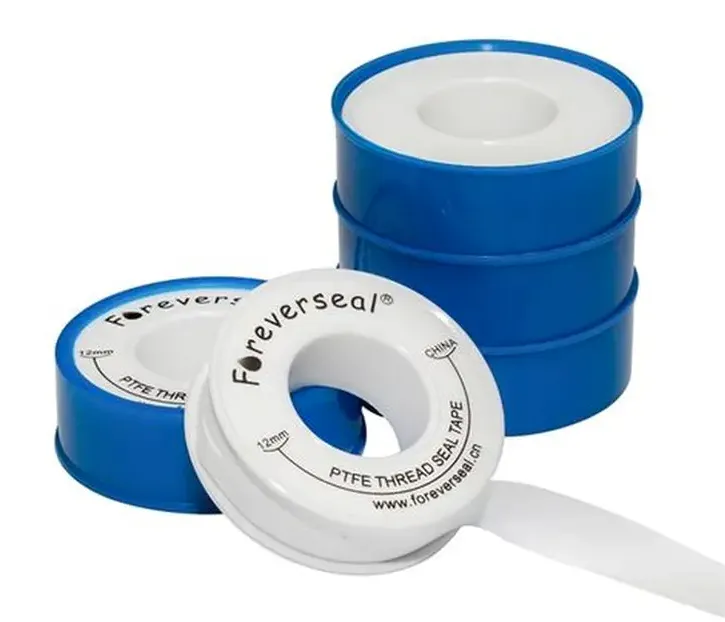
Image by Foreverseal.cn
White plumber’s tape is for low‑pressure water lines, not gas. Using it on gas fittings is dangerous. Here’s why:
White PTFE tape is too thin for gas threads. It shears during tightening, sending fragments downstream.
These bits travel through the system until they hit a restriction, like your BBQ regulator valve, cooktop burner orifice, or hot water system pilot light. Then you’ve got blocked equipment, or inconsistent gas flow.
Even worse, those fragments can stop safety valves from seating right. That’s when dangerous gas buildup starts inside your home.
You won’t see the shredding. But three weeks later, your expensive Rinnai stops working, and the repair tradie finds white tape fragments in the gas valve.
LPG and natural gas in Australia have hydrocarbon additives, like mercaptan (that rotten-egg smell). White PTFE tape isn’t built to handle all that.
Over time, these chemicals can damage the tape from the inside out. It can get sticky, gooey, or fall apart. And that creates gas leaks.
Most homeowners miss this. Why? White tape seems to hold pressure during a quick DIY check. It feels tight and smells fine at first. But chemical degradation happens slowly.
Months later the gas leak fills your home with explosive concentrations.
So, can you use Teflon tape on gas lines? Yes, if you skip the white tape and your technician handles the job.
And did you know residential natural gas in Victoria runs at about 1.1–1.3 kPa? You might think that is low pressure. But white plumber’s tape is too porous and not dense enough to seal gas at those pressures.
Remember, gas is smaller and more likely to escape than water. It can slip through tiny gaps in the metal threads via the thin white tape. If it happens to your meter, you need gas meter adjustment right away.
AS/NZS 5601.1:2022 only allow gas-rated sealants for natural gas and LPG in Australia, like yellow PTFE tape or AGA-approved compounds. White plumber’s tape is explicitly excluded due to its poor hydrocarbon resistance.
Energy Safe Victoria and the Victorian Building Authority check this thing. Doing DIY gas work like capping the gas line, sealing gas joints yourself can cost you over $80,000 in fines. You’ll need licensed fitters for this job.
So, if a gas leak causes a fire or explosion and investigators find white tape on your connections, your home insurance claim could be denied. Insurance companies don’t pay for DIY work that violates safety codes.
Homeowners might only think about which tape to use. In practice, a licensed professional gas fitter never relies on tape alone for a leak-free connection.
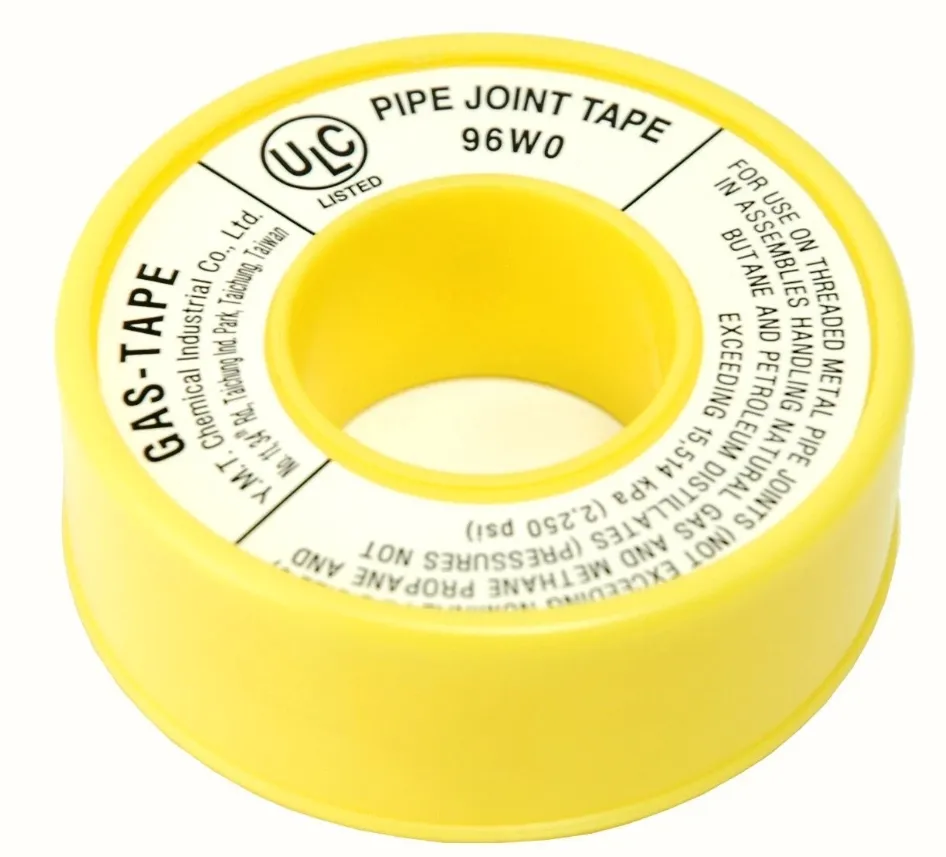
Image by eBay
Yellow PTFE tape is the residential gas standard. It’s denser than white tape, chemically resistant to LPG and natural gas hydrocarbons, and rated for temperature from -240°C to +260°C.
And the yellow colour isn’t just for looks. It’s a quick visual cue that the tape is gas-rated, which matters during inspections and compliance checks.
But material alone doesn’t prevent leaks, the application matters. Gas fitters use 2–3 wraps of yellow tape on small pipes (up to 25mm) and 3–5 on larger ones, clockwise around the male threads.
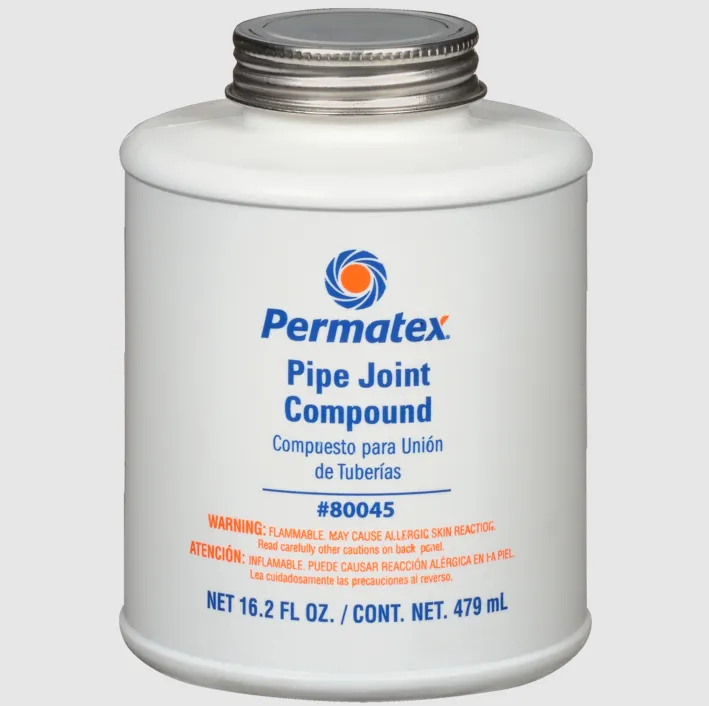
Image by Permatex
Pipe joint compound, or pipe dope, is a paste sealant that fills thread gaps and lubricates during assembly. Products like Hercules Pro Dope and Hercules Megaloc meet AS/NZS 5601.1 requirements for gas installations.
Licensed gas fitters prefer pipe dope on larger diameter pipes (25mm+) where thread tolerances create gaps tape can’t seal. It stays flexible through temperature cycles and won’t crack like degraded tape.
For maximum reliability on threaded joints, licensed gas fitters often layer two wraps of yellow tape with a thin coat of gas-rated pipe dope on top.
The tape forms the primary seal, the dope fills micro-gaps. This method is standard for outdoor LPG bottle connections and exposed BBQ bayonets where seasonal temperature swings stress fittings.
But threaded joints, even with tape and dope, are strictly prohibited underground. For burying the gas line, professionals must use permanent joints like brazing or approved press-fit systems.
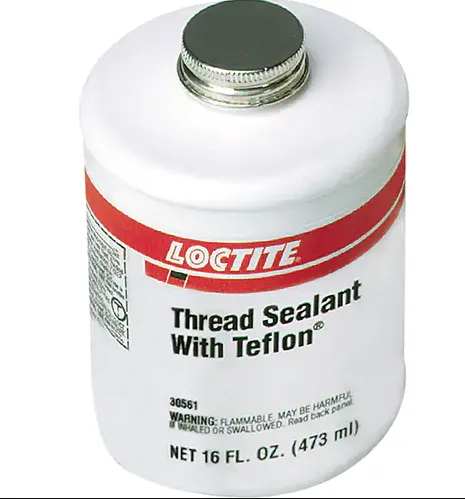
Image by Loctite.com
This is basically pipe dope with PTFE particles, combining slipperiness from PTFE with the base filler to seal thread gaps. It works best on larger-diameter pipes where gaps are wider.
Many licensed gas fitters use it for commercial gas work, not residential. But threaded joints, even with tape and dope, are strictly prohibited underground. For burying the gas line, professionals must use permanent joints like brazing or approved press-fit systems.
For larger pipes, gas fitters may use PTFE sealing cord. It’s thicker, rope-like, and seals well on coarse threads where tape falls short. But this is only for industrial jobs.
Sealing cord is useful on pipes up to 100mm, where thread tolerances are larger and more surface area needs coverage. Unlike tape, sealing cord doesn’t shred and remains effective under high pressure.
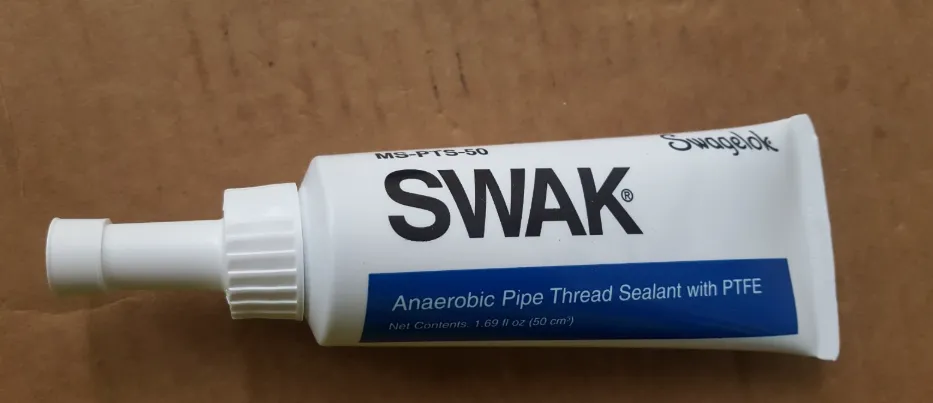
Image by Ebay
In high-vibration industrial setups, gas fitters use anaerobic sealants. These are liquid sealants that cure without air to form a durable seal. They cure in rigid metal-to-metal connections where tightened threads block oxygen.
They’re ideal for valve connections, and fittings exposed to heavy vibration. They’re less common in residential gas lines than yellow tape or pipe dope because they bond so strongly that you can’t take them apart easily later.
Here are the gas line sealing questions Australian homeowners ask most:
Only yellow gas-rated PTFE tape should be used on gas lines. This tape resists LPG and natural gas hydrocarbons and meets AS/NZS 5601.1 standards and AGA approval for Australian gas installations.
White plumber’s tape is for water only. It degrades when it meets gas and can cause invisible leaks. If you use it, it’ll void your insurance and violate Energy Safe Victoria regulations.
For most residential gas installations, licensed gas fitters use yellow gas-rated PTFE tape with AGA-approved pipe joint compound. This seals threads and lubricates the fittings for proper torque without over-tightening.
Your licensed gas fitter chooses the method based on pipe size, fitting type, and whether the connection is accessible for future servicing—all while ensuring AS/NZS 5601.1 compliance.
Yellow gas-rated PTFE tape suits residential gas pressures. Natural gas at your meter runs 1.1–1.3 kPa, LPG at the regulator outlet, 2.75 kPa. Quality yellow tape can handle these pressures without bulging or breaking down.
White water-line tape isn’t rated for hydrocarbon exposure at any pressure. It leaks after gas exposure, even if initial tests pass.
Yes, but only use gas-rated yellow PTFE tape, and only if you’re legally allowed to do it. Gas-line work needs a licensed gas fitter, not just for compliance, but for safety.
And that white plumber’s tape? Keep it for the garden tap. It’s not for gas lines. The risks are too high and the consequences could be terrible. Your family’s safety is worth more than the cost of a professional call-out.
So, if you need any gas fitting service, please contact Melbourne Gas Plumber. Our licensed gas fitters have the training, certification, and local experience to ensure your home stays safe and compliant.


Fill the form below and we’ll get back ASAP!

MGP! Thank you for help, honest pricing and high quality work. Thank you to Joe for pricing and the boys involved for replacing my hot water tank and fixing my gas leak for a reasonable price. 5 star response, 5 star service and 5 star price.
Joe was great. Very professional and quick. Gas hot water heater needed replacing, he was honest and upfront about what our options were. System was sourced and replaced within a couple of hours.
Fantastic service very responsive Joe is highly recommended and works very clean and neat..... good job well done....very happy... will use again and again

At Melbourne Gas Plumber, we're here to handle all your gas plumbing needs throughout Melbourne. With over 40 years of experience, we bring extensive local knowledge and expertise to every job.
QUICK LINKS
OPENING HOURS
Open 24/7