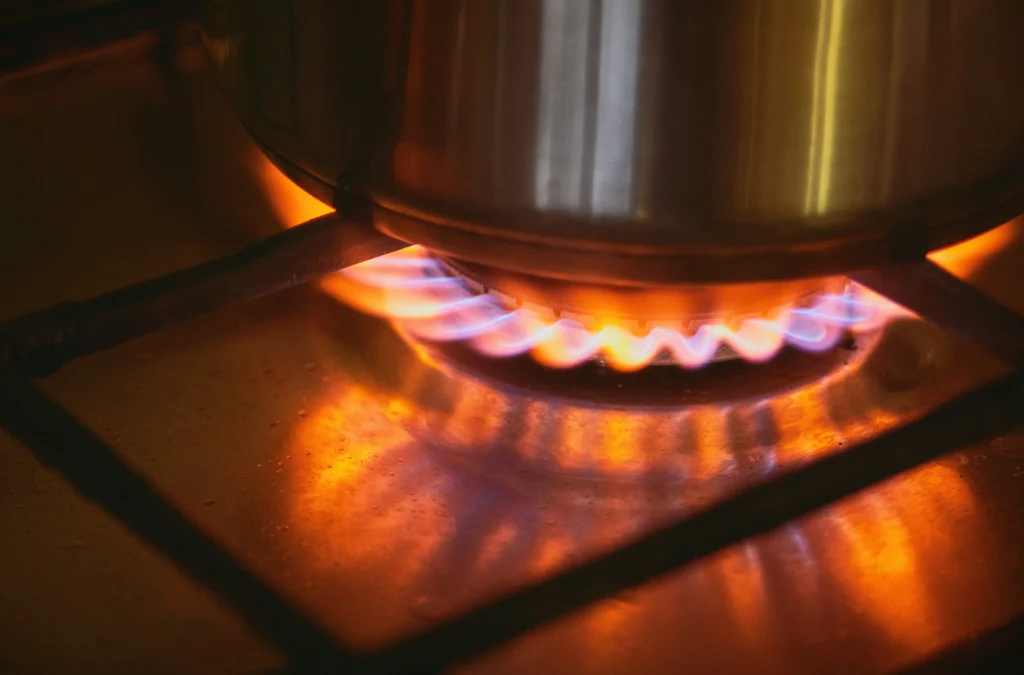
If your gas stove has an orange flame instead of the usual blue flame, it’s worth paying attention. A change in flame colour can be caused by something as simple as a dirty burner, but it can also indicate incomplete combustion or another gas appliance problem.
A properly operating gas burner should generally produce a steady blue flame. If the flame remains orange or yellow, it’s safest to stop using the affected burner and have the appliance checked by a licensed gasfitter.
In this guide, we’ll explain what causes an orange gas stove flame, whether it’s dangerous and what you should do about it.
A blue gas flame generally indicates that the gas is burning with sufficient oxygen for efficient combustion. An orange, yellow or red flame can indicate that the combustion process isn’t occurring correctly.
This doesn’t necessarily mean your stove is about to fail, but a persistent change in flame colour shouldn’t be ignored.
Incomplete combustion can potentially produce carbon monoxide (CO), which is colourless and odourless and can be dangerous if it accumulates indoors.
There are several reasons why a gas stove may develop an orange or yellow flame.
Food spills, grease and other residue can build up around the burner and interfere with the normal gas and air mixture.
Blocked or dirty burner ports can contribute to improper combustion and unusual flame colours.
If you’ve recently had a spill while cooking, this is one of the first things worth checking.
Gas burners usually contain removable components such as burner caps. If these aren’t sitting correctly after cleaning, the gas may not burn as intended.
Check that the components are correctly positioned according to your appliance manufacturer’s instructions.
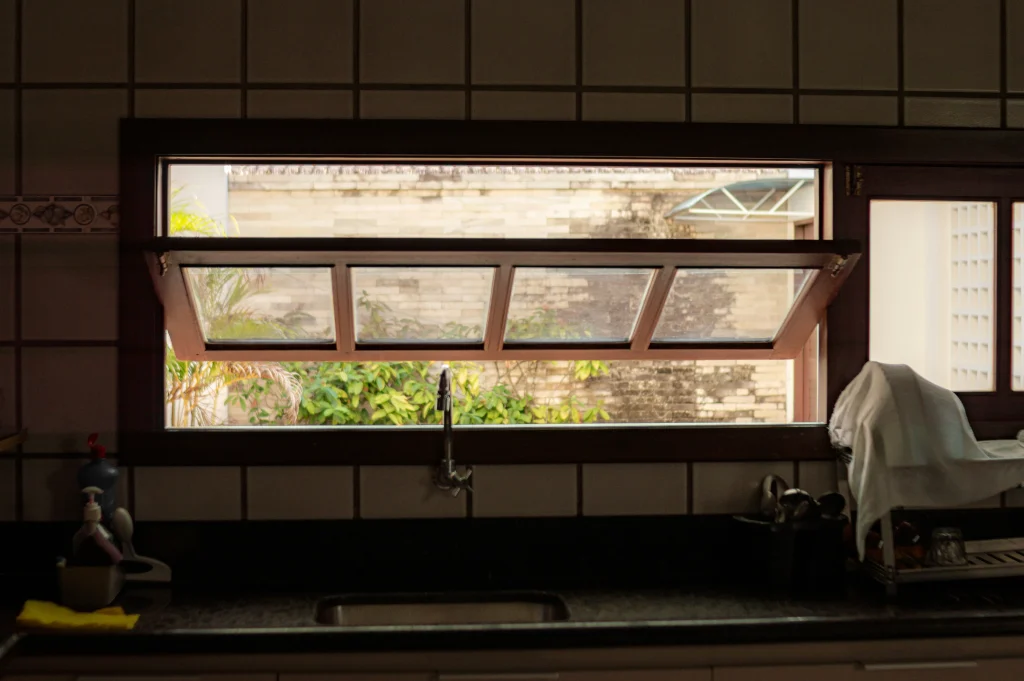
Gas combustion requires oxygen. Changes to ventilation around an appliance can affect how it operates.
For this reason, adequate ventilation is important when using gas appliances.
However, simply opening a window shouldn’t be treated as a solution to a persistent orange flame. If the appliance isn’t combusting correctly, the underlying problem needs to be identified.
Gas appliances need the appropriate balance of gas and air for combustion.
If that mixture is disrupted, the flame may change colour and the appliance may not operate efficiently.
Determining whether the appliance has an air or gas supply problem requires professional assessment rather than attempting to adjust the appliance yourself.
Gas pressure that’s outside the appliance’s requirements can affect burner performance.
If the flame is unusually weak, unstable or has changed colour across multiple burners, there may be an issue with the appliance or gas supply that needs to be investigated by a licensed gasfitter.
Gas appliances are designed for particular gas types and operating conditions.
If an appliance has been incorrectly installed, converted or fitted with unsuitable components, it may not burn correctly.
This is particularly important if you notice an orange flame after a new gas stove has been installed or the appliance has recently been modified.
A persistent orange or yellow flame can be a warning sign of a combustion problem, so it’s best not to ignore it.
Gas appliances that aren’t operating correctly can potentially produce carbon monoxide through incomplete combustion.
Look out for other warning signs as well, including:
Soot or yellow/brown discolouration around a gas appliance can also indicate that it needs servicing.
If you experience symptoms that could indicate carbon monoxide exposure while using a gas appliance, stop using the appliance and have it serviced.
If you’ve noticed an orange flame, don’t panic, but don’t ignore it either.
Turn the affected burner off and allow it to cool completely before inspecting it.
Once it’s cool, check for visible food residue, grease or debris around the burner ports.
Follow your manufacturer’s instructions when cleaning the burner. Avoid using anything that could damage the burner or its components.
Make sure removable burner components are correctly positioned.
A burner cap that isn’t seated properly can affect the way the flame burns.
If the burner has been cleaned and reassembled correctly, observe the flame.
A properly operating burner should generally produce a blue flame.
If the flame continues to burn orange or yellow after you’ve checked the accessible components, stop using the appliance and contact a licensed gasfitter.
Don’t attempt to adjust gas pressure, modify burner components or alter the gas supply yourself.
Yes. Dirt, grease and food residue can interfere with burner operation and contribute to an abnormal flame.
This is one reason why regular cleaning is important for gas appliances.
However, cleaning isn’t always the answer.
If you’ve cleaned the burner according to the manufacturer’s instructions and the flame remains orange or yellow, there may be another issue affecting combustion. A licensed gasfitter can inspect the appliance and determine what’s causing the problem.
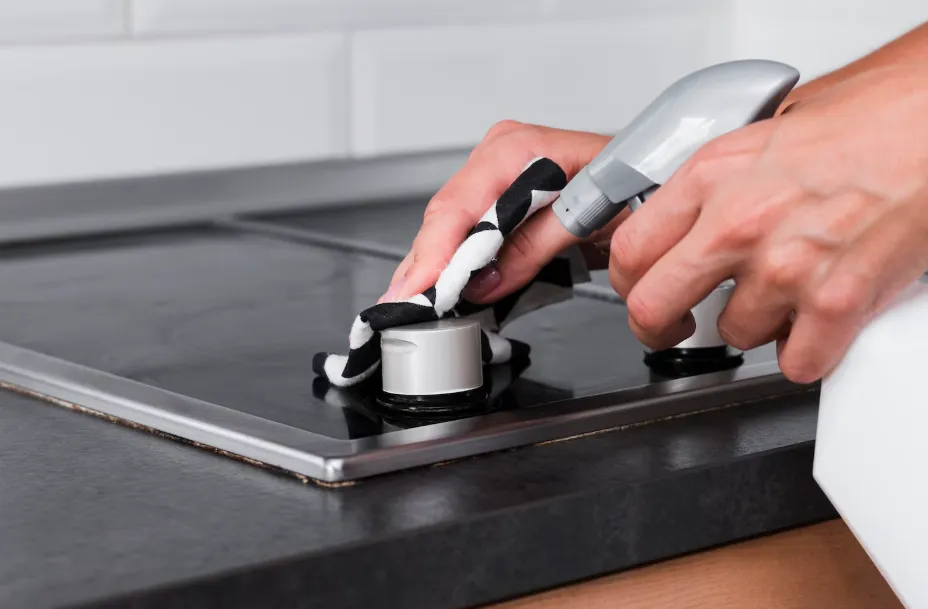
Clean your gas stove according to the manufacturer’s instructions and remove food and grease before they build up.
Don’t just focus on whether the stove turns on. Changes in flame colour, strength or behaviour can be useful warning signs.
Make sure ventilation around your gas appliance isn’t unnecessarily obstructed.
Never attempt to alter gas pressure, change gas components or modify the appliance to correct an unusual flame.
If you suspect a gas appliance isn’t operating correctly, have it assessed by a licensed professional.
Regular servicing and cleaning can help gas appliances continue to operate safely and efficiently.
An orange flame can be caused by a dirty or blocked burner, incorrectly positioned burner components, ventilation issues or an imbalance in the gas and air mixture. If the flame remains orange or yellow, the appliance should be checked by a licensed gasfitter.
A properly operating gas stove burner should generally produce a blue flame. A persistent orange or yellow flame can indicate incomplete combustion or another appliance issue and should be investigated.
It can be. An abnormal orange or yellow flame may indicate incomplete combustion, which can potentially produce carbon monoxide. If the problem persists, stop using the appliance and arrange a professional inspection.
Yes. Food, grease and debris can interfere with burner ports and affect combustion. Cleaning the burner according to the manufacturer’s instructions may resolve the issue, but persistent orange flames require professional attention.
If the flame remains orange or yellow, is unstable, or is accompanied by soot, unusual smells or other signs of malfunction, stop using the affected appliance and arrange professional servicing.
A gas stove orange flame isn’t something you should automatically assume is harmless. While a dirty burner or incorrectly positioned component can sometimes cause a temporary colour change, a persistent orange or yellow flame can indicate a combustion or appliance problem.
If cleaning the accessible burner components doesn’t restore a normal blue flame, it’s best to leave the appliance switched off and have it checked by a licensed gasfitter.
At Melbourne Gas Plumbing, our licensed gas professionals can inspect and service gas appliances to help identify the cause of abnormal flame behaviour and ensure your appliance is operating safely.
If your gas stove isn’t burning normally, contact our team to arrange an inspection.

Every week, we share practical insights based on the combined knowledge and real-world experience of our team. Our articles cover gas fitting, gas safety, appliance installation, hot water systems, maintenance and everyday plumbing issues, so you can make well-informed decisions about your gas plumbing needs.


Fill the form below and we’ll get back ASAP!

MGP! Thank you for help, honest pricing and high quality work. Thank you to Joe for pricing and the boys involved for replacing my hot water tank and fixing my gas leak for a reasonable price. 5 star response, 5 star service and 5 star price.
Joe was great. Very professional and quick. Gas hot water heater needed replacing, he was honest and upfront about what our options were. System was sourced and replaced within a couple of hours.
Fantastic service very responsive Joe is highly recommended and works very clean and neat..... good job well done....very happy... will use again and again

At Melbourne Gas Plumber, we're here to handle all your gas plumbing needs throughout Melbourne. With over 40 years of experience, we bring extensive local knowledge and expertise to every job.
QUICK LINKS
OPENING HOURS
Open 24/7