Your gas stove isn’t lighting. You twist the knob, hear the click, and get nothing. And that’s when you’re left wondering if it’s a dirty burner or something far worse.
Some homeowners would instantly call a technician for this, while others keep relighting a stove that’s quietly leaking gas.
This guide ends the guesswork. You’ll learn the safe checks you can do yourself and know exactly when to stop and call a licensed gas fitting service. Read on!
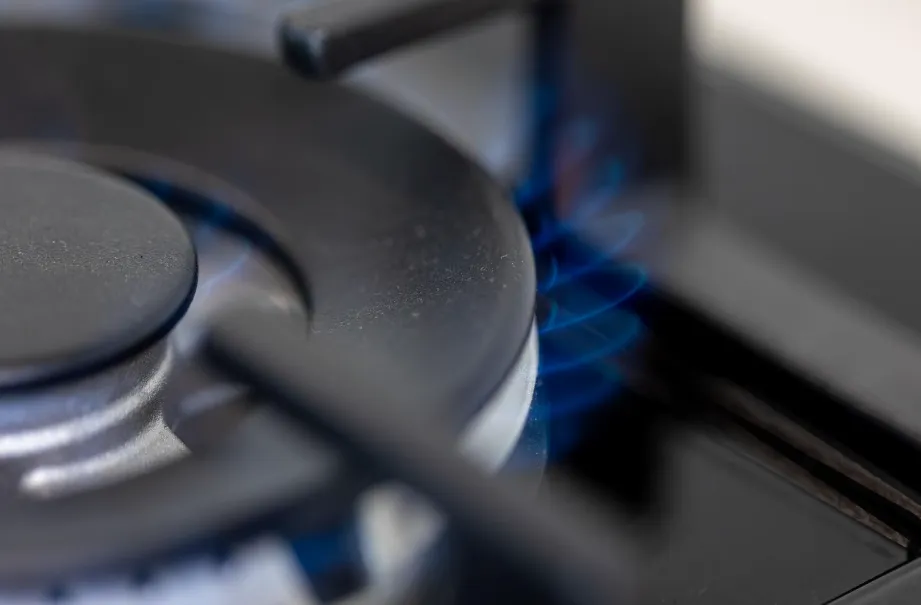
Image: pvproductions on Freepik
Yes, but only to a point. Clearing out clogged burner ports in the gas burner and around the igniter? Yes, you can do that. Sometimes a small crumb or food debris gets stuck right where the electrode sparks.
Or, you might want to take off the burner caps and clean grease buildup with warm, soapy water. You can do that, too.
Basically, you can do any simple, low-risk tasks that don’t involve the internal gas valves, pressure regulators, or ignition modules.
Those components control how much gas flows to your burners and when the spark ignites. Get either of those wrong, and you’re looking at a leak, incomplete combustion, or a flame that won’t light safely.
In Victoria, the law is clear on this. Under the Gas Safety Act 1997, AS/NZS 5601.1, and AS 4575, only a licensed gasfitter can touch the internals. Wrong repairs can cause leaks or carbon monoxide.
So if you smell gas, or hear hissing near your stove, don’t try to relight it. Call Melbourne Gas Plumber for proper pressure and leak tests. But first, here’s what you can check yourself.
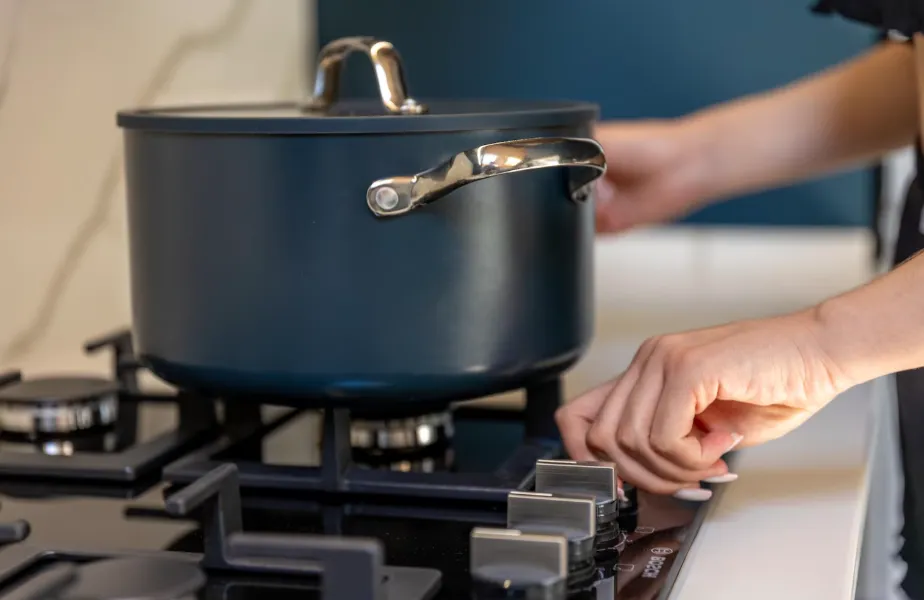
Image: pvproductions on Freepik
Before you try fixes, here’s what can stop a gas stove from lighting. Most problems come up again and again:
One of the common reasons your gas stove won’t light is there is no gas supply. The street mains might be off for repairs, or your meter’s regulator could be faulty.
If you use LPG, you might have run out of gas, or the valve that switches between gas tanks might not have worked.
This is not about a complete gas outage. So, the gas pressure is just too low for your stove to light or maintain a steady flame.
Your stove’s Flame Failure Device (FFD) might shut off the gas if the flame weakens, often when your heater or hot water system uses the available pressure.
Burner holes can clog with grease, food, or carbon, which stops gas from flowing. If you hear the igniter click but the flame won’t light, or if you see a patchy flame, your burner is likely blocked.
Sugar seals things up, and grease traps debris, forming a plug. When this happens near the igniter, your gas stove won’t light and you need to know who fixes gas stoves safely for this.
The burner cap is the metal ring on top that shapes the flame. If it’s not straight, the igniter can’t reach the gas, so it won’t light.
This usually happens after cleaning if the cap is put back on wrong, stopping the spark and gas from mixing.
If your gas burner clicks but won’t light, it’s usually dirty. Grease and dust build up on the electrode, insulating it so the spark can’t jump.
Also, if the igniter gets wet from spills, water can let electricity flow in the wrong direction, which stops it from working. That’s why burners often start working again after they dry out.
The igniter switch, behind the control knob, triggers sparking when pushed and twisted, closing an electrical circuit.
A broken switch keeps the circuit open, stopping clicks and sparks. And damaged wiring to the spark module blocks the signal, preventing power from reaching it.
Do you have an old gas appliance? While modern Melbourne cooktops use electronic ignition, some older models still use a standing pilot light.
That small, constant flame is what lights your burner. If it goes out, the burner won’t ignite. Usually, a draft from a nearby window or door blows it out. Other times, the pilot line just gets clogged with dust.
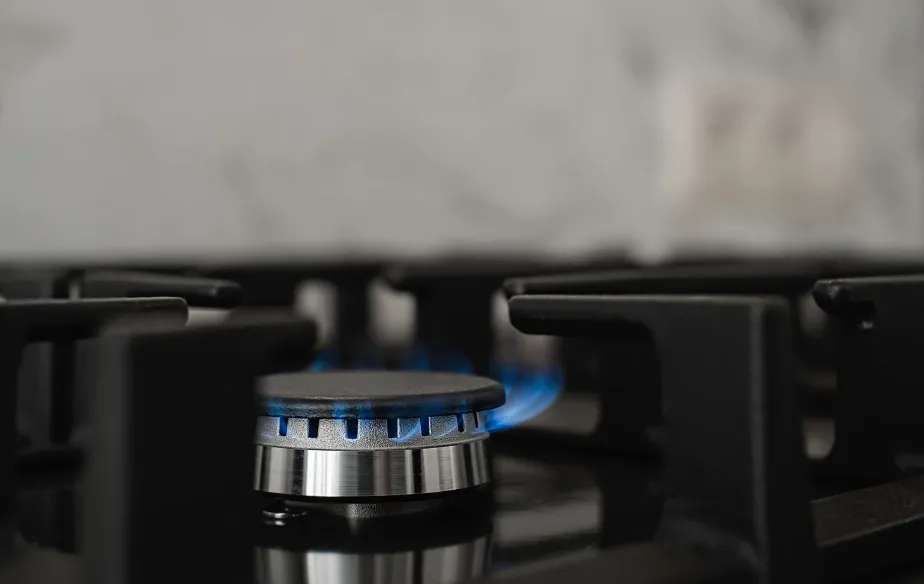
Image: ededchechine on Freepik
This is a safe home checklist with only external, low-risk steps to fix a gas stove that won’t light:
If your gas stove won’t light, make sure gas is reaching it. But you can perform only basic checks. Do not open the appliance or touch internal lines.
Steps:
If the gas is on at the meter and the isolation valve is open, but the stove still won’t light, it’s an internal issue. You’ve done all you can.
Your stove’s igniter needs power to spark the gas. If it isn’t getting power, it won’t work, even if the stove itself is fine. This step checks whether electricity reaches the ignition system.
Most modern stoves plug into a standard outlet, while older models use batteries. You can check the outside connections, but contact a technician for any internal wiring issues.
Steps:
Burner caps can easily move out of place when you push a heavy pot around or scrub the stovetop.
If the cap isn’t sitting flat, gas escapes from the biggest gap instead of going through the small holes toward the igniter. Just fixing the cap’s position often solves problems where you hear clicking but see no flame.
Steps:
That small ceramic and metal rod sparks the gas. For the spark to jump to the burner cap, the base needs to be perfectly clean and bone-dry.
Even a tiny drop of water or a thin film of grease will make the electricity leak down the side instead of jumping to ignite the gas.
Steps:
Over months, the burner head collects grease, food splatter, and mineral buildup from boiling water. This clogging keeps gas from flowing evenly, and some ports shut down completely.
When gas can’t escape from certain ports, the flame is uneven or weak, or there’s no ignition. Cleaning the burner head is DIY work: you remove surface buildup and clear the ports.
Steps:
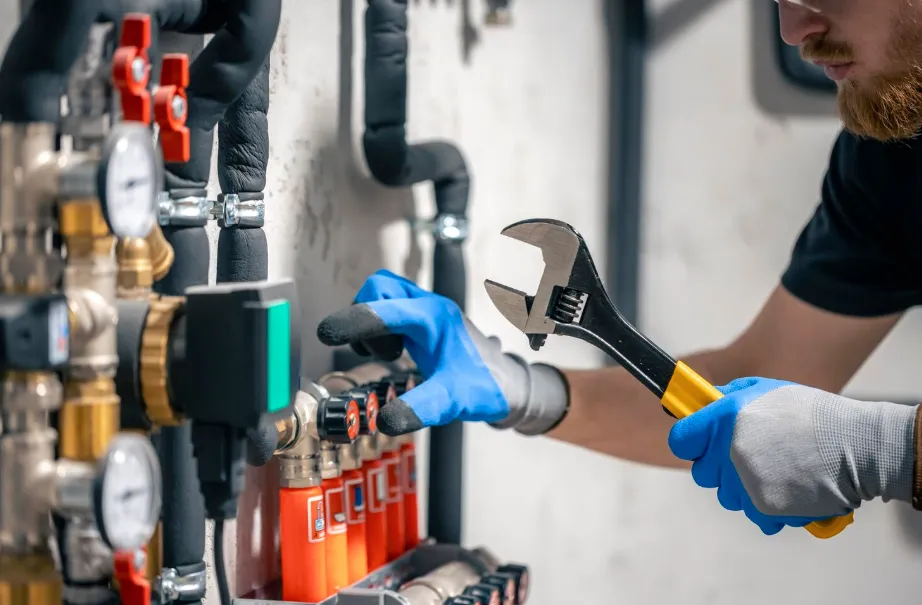
Image: Freepik
Some problems need a professional. If any of these happen, don’t try to fix them yourself:
When the work is finished, remember to ask your gasfitter for a Certificate of Compliance. This is your legal proof that the repair meets Australian Safety Standards.
Image: Freepik
Taking a little time to clean and check your gas stove, cooktop, and burners will help them work well:
Grease and food spillage are the main reasons for clogs. If you ignore them, the burner might stop sparking correctly.
Once a month, soak your burner caps in white vinegar or warm soapy water for 15 minutes to break down grime, then clear the gas holes with a needle. This is one of gas stove maintenance tips that takes 10 minutes to do.
The white ceramic igniter is fragile. If you hit it with a heavy pan or scrub too hard, it can crack, sending sparks into the stove instead of the gas.
Check it whenever you clean. If you see a crack, white powder, or a stubborn stain, call a gasfitter to check it.
Cooking creates steam and moisture. Use your range hood to vent it out, preventing water from damaging the electronic parts under the knobs.
Keep your kitchen well-ventilated year‑round to stop moisture from causing “short circuits” in the spark module.
High-heat cooking, like stir-frying, sends grease into the air that coats igniter tips. While this doesn’t damage electronics, they need more frequent cleaning.
Use wider, deeper pots to catch splatter. Wipe the stove within 30 minutes of cooking to prevent buildup, and check igniter tips monthly for grease.
Cooktops, cookers and gas stoves should be checked at least every two years by a licensed gasfitter. This helps you find small problems, like failing safety sensors, before they turn into expensive repairs or safety risks.
Gas smells, hissing sounds or soot near your appliances are not normal. If something seems wrong, learn how to detect a gas leak from your stove, then take immediate action.
Here are some questions about a gas burner not lighting:
If you hear clicking but no flame, the igniter is working, but gas is blocked by dirt, a crooked cap or clogged holes. Clean the parts and level the cap. If clicking continues and you smell gas, call a professional immediately.
A dead burner usually means a blocked head, off-centre cap or damaged electrode. Test by swapping the cap with a working burner. If cleaning and realigning fail, contact a licensed gasfitter.
Turn off the burner and gas supply if possible, then ventilate the area. Avoid all flames and electrical switches. If the smell is strong or you feel dizzy, evacuate and call 000 from outside.
If your gas stove won’t light, it’s usually due to a dirty burner, damp igniter, or shifted cap. Often, a quick clean and realignment is all it takes.
But if you smell gas, see a yellow flame, or multiple appliances are affected, contact Melbourne Gas Plumber for fast, licensed service around Greater Melbourne. Don’t wait; your kitchen and family will be safer if you act fast.

Every week, we share practical insights based on the combined knowledge and real-world experience of our team. Our articles cover gas fitting, gas safety, appliance installation, hot water systems, maintenance and everyday plumbing issues, so you can make well-informed decisions about your gas plumbing needs.


Fill the form below and we’ll get back ASAP!

MGP! Thank you for help, honest pricing and high quality work. Thank you to Joe for pricing and the boys involved for replacing my hot water tank and fixing my gas leak for a reasonable price. 5 star response, 5 star service and 5 star price.
Joe was great. Very professional and quick. Gas hot water heater needed replacing, he was honest and upfront about what our options were. System was sourced and replaced within a couple of hours.
Fantastic service very responsive Joe is highly recommended and works very clean and neat..... good job well done....very happy... will use again and again

At Melbourne Gas Plumber, we're here to handle all your gas plumbing needs throughout Melbourne. With over 40 years of experience, we bring extensive local knowledge and expertise to every job.
QUICK LINKS
OPENING HOURS
Open 24/7