You smell petrol in your home, and instantly, worry sets in. Is it dangerous? Where’s it coming from? Your mind races, trying to figure out how to get rid of the petrol smell.
You know you need to act fast, but should you do something yourself or just leave the house? Or should you call a gas leak detection service for help?
This article will help you figure out what to do and make sure you handle it the right way.
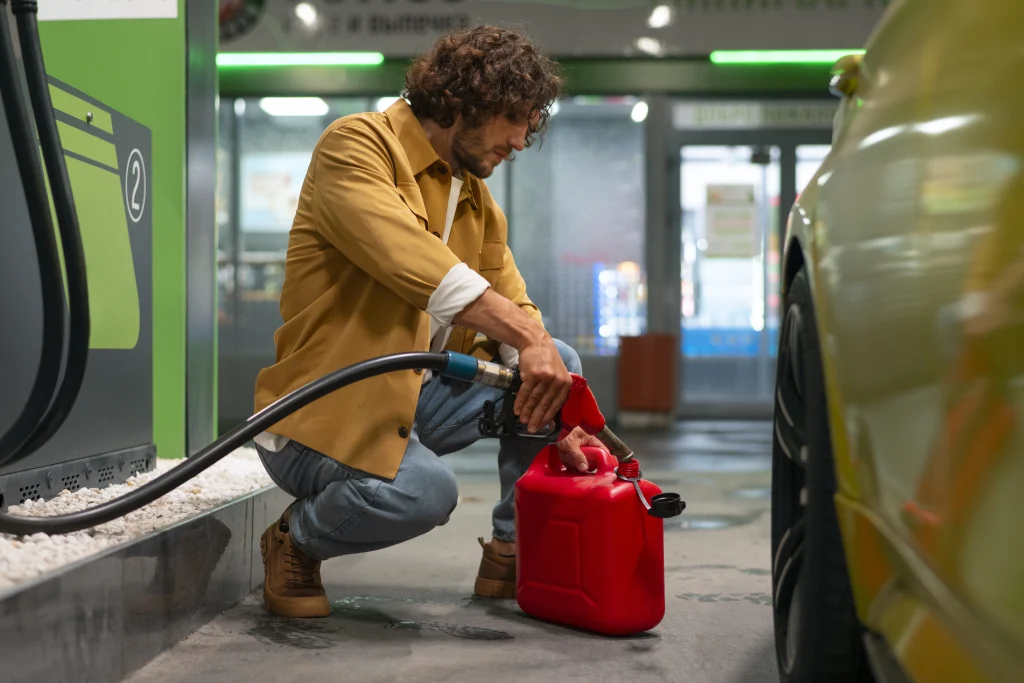
Petrol smells strong, and it can stay on fabrics and dirt. These are the reasons why you might smell it in your house:
Ever wonder how the smell from your garage can get into your house? Garages are connected to your house by walls and ceilings, so fumes can easily enter.
If a gas tank or pipe leaks because it’s rusty, hit, or old, gasoline fumes evaporate fast and fill up the garage. Then, those fumes can move into your house without you even realising it.
When you spill gas while filling up or changing your oil, it soaks right into your concrete and the ground. Instead of just evaporating, it actually moves down and heads toward your house.
Ever catch a strong gas smell in your garage? It’s not just in your head. Once that fuel gets to your foundation, it can get pulled up through cracks into your basement as vapors.
Is your house smelling like a petrol station? Your HVAC might be unintentionally pulling in garage fumes without you even knowing it.
Most homes have systems with vents in hallways or living rooms. When your AC is running, it creates a vacuum that pulls garage fumes in through any gaps or leaks.
The most common source is often right in front of you. That old gas can for your lawnmower, the paint thinner you used last weekend, or those camping fuel bottles can all give off fumes, especially if the lids aren’t tight.
Even if the containers are sealed, they can have tiny leaks that let VOCs escape and get into your home through vents.
Many Australian homeowners use gas generators for emergencies or heaters in winter. However, most don’t realise these appliances can actually leak fuel even when they’re off.
The fuel lines wear out, seals crack, and storage tanks can leak tiny amounts of fumes. These issues are risky because they’re usually hidden in closets, basements, or garages where there’s limited airflow.
Some older Australian houses have underground tanks in the yard for heating oil. Over time, these tanks can get little leaks.
That lets fuel vapors sneak through the dirt and into your foundation. The tough part is, the leak could be way from where you smell gas, making it hard to find and fix.
Sometimes, what you think is petrol is something else,like the furnace that smells like gas.
Sewer gas has sulphur compounds that smell like fuel. Some cleaning chemicals and industrial solvents do, too. Never ignore a strong chemical odour in your home.
You know why you smell that odour and now you want to get rid of the gasoline smell from your house. So, what to do?
Safety comes first. Gasoline vapours are flammable and toxic. They contain VOCs like benzene, which can cause headaches, dizziness, and breathing issues even in small amounts.
In enclosed spaces, these fumes can build up quickly to dangerous levels.
So, what are steps to get rid of the smell?
If it’s safe enough, try to find where it’s coming from. Sometimes, there are hidden sources, which is why it keeps releasing fumes even after you think you’ve cleaned enough.
Steps to get rid of gas fumes in the house:
Installing an exhaust fan helps clear VOCs and odours. A 150-200 CFM fan in a garage can swap out the air 8-12 times an hour.
This is faster than passive vents. But it only tackles airborne fumes. It doesn’t get fumes stuck in concrete, drywall, or insulation. When the fan stops, fumes keep releasing.
How to get rid of gasoline smell using a fan:
If you see a leaky gas tank, a broken fuel line, or a damaged gas can, you can just throw it out. But if you still smell gas after you remove it, use something that absorbs the smell instead of just covering it up.
Air fresheners only hide the smell for a short time. To get rid of it for good, use things that soak up and neutralise the VOCs.
Here’s a simple way to get rid of petrol smell:
So, you got rid of the gas smell and tried charcoal, but it’s still there? What do you do next? You’ll need to clean deeper.
Gas soaks into drywall and concrete, coming from the inside. Just opening windows or using air fresheners only masks it for a bit. The fumes will keep escaping.
How to get rid of gasoline fumes in your house:
Your heating and cooling system can spread odours like gasoline throughout your home. To prevent this, you must stop the fumes from circulating freely.
Ductwork acts like a highway for gasoline vapours, delivering the smell to every room. It can also trap VOCs in the filters and lining, causing the odour to linger even after removing the source.
These are the things you need to do to remove the smell:
Please make sure that once you do this, there is no more gasoline smell. You can also suspect if there is a leak that might need gas meter adjustment to your system even though the odour might be a bit different.
Removing the gasoline smell later isn’t enough, you need to prevent it first to avoid risks:
You need to store gas in approved, sealed containers. Keep them outside your home, away from where you live.
Gas evaporates, releasing fumes that can drift inside. Regular bottles don’t seal well and can spill. In attached garages, fumes can sneak in. Plus, built-up vapors can catch fire from sparks or pilot lights.
Don’t wait until you smell gas in your house to do something about it. It’s better to deal with it before you even notice any fumes.
Sealing cracks and gaps means closing openings in your foundation, walls, and entry points. Unsealed spots are direct ways for petrol odours to enter from garages, driveways, and contaminated soil.
Cars, lawnmowers, and generators can smell like gasoline if you don’t take care of them or store them right. There are multiple points where fuel can leak, from fuel lines, tanks, and carburettors to storage containers.
Older cars and poorly maintained generators often have fuel system issues. Leaks near buildings can soak into concrete and soil.
You need to regularly check, clean, and service your ducting, filters, and return air pathways. A compromised HVAC system can spread gas fumes throughout your house, which might smell like gasoline.
Sometimes, expert help provides the best protection against gasoline smell problems, especially for homes that have had issues before or are more likely to encounter problems.
They will use special tools and skills to find problems you might miss as a homeowner. And this is to prevent costly repairs and ensure long-term safety.
Here are common questions homeowners ask when they smell gasoline in their house:
Activated charcoal in bowls works. Or, you can sprinkle baking soda on carpets overnight and vacuum it up. Try spraying a vinegar–water mix and letting it dry, too.
Also, coffee grounds are great for absorbing odours and smells. But, for really stubborn smells, professional ozone generators and foggers are best, but they need safety training.
In short, no. Never sleep in a room with gasoline smells. Vapours contain chemicals like benzene and toluene that can cause headaches and lung issues, especially over time.
And gasoline vapours are highly flammable and can build up in small spaces like bedrooms, risking fires or explosions while you sleep.
Gasoline smells might go away on their own, but it takes longer. How fast depends on spill size, materials contacted, temperature, humidity, and ventilation.
Rather than waiting for natural dissipation, it’s far safer and more effective to actively remove the source and use proper cleanup techniques
Never ignore the smell of petrol. It can be dangerous and harm your home. And you’ve learned that it could come from a leaky container, a spill in the basement, or HVAC fumes.
When you notice it, call a professional right away. Better yet, prevent it before it happens. For a check-up, call Melbourne Gas Plumber for a professional inspection to keep your home safe and avoid future risks.

Every week, we share practical insights based on the combined knowledge and real-world experience of our team. Our articles cover gas fitting, gas safety, appliance installation, hot water systems, maintenance and everyday plumbing issues, so you can make well-informed decisions about your gas plumbing needs.


Fill the form below and we’ll get back ASAP!

MGP! Thank you for help, honest pricing and high quality work. Thank you to Joe for pricing and the boys involved for replacing my hot water tank and fixing my gas leak for a reasonable price. 5 star response, 5 star service and 5 star price.
Joe was great. Very professional and quick. Gas hot water heater needed replacing, he was honest and upfront about what our options were. System was sourced and replaced within a couple of hours.
Fantastic service very responsive Joe is highly recommended and works very clean and neat..... good job well done....very happy... will use again and again

At Melbourne Gas Plumber, we're here to handle all your gas plumbing needs throughout Melbourne. With over 40 years of experience, we bring extensive local knowledge and expertise to every job.
QUICK LINKS
OPENING HOURS
Open 24/7